
The Many Uses and Benefits of Block Cutting Boards

Intro
In the world of culinary tools, few items hold as much versatility and functionality as a block cutting board. Whether you’re a professional chef or a home cook, this kitchen essential plays a pivotal role in meal preparation. Selecting the right cutting board goes beyond just picking up a slice of wood; it involves consideration of materials, design trends, and your personal culinary needs. Today's cutting boards are not just utilitarian; they are also an expression of style and taste, seamlessly blending into the aesthetics of modern kitchens.
This article dives deep into the multifaceted nature of block cutting boards—analyzing their various materials, unique designs, and practical applications. With a careful look at how to maintain these boards and the cultural significance they hold in different regions, readers will gain insights that can enhance their cooking experience. Designed for homeowners, designers, and passionate cooking enthusiasts, this guide will help you navigate the intricate world of block cutting boards, ensuring you make informed choices that suit your needs and elevate your culinary pursuits.
Intro to Block Cutting Boards
When it comes to culinary spaces, the block cutting board holds a critical place, serving not just as a tool but also as a canvas for culinary artistry. These boards, often made of sturdy woods or composite materials, are an essential component in both home and professional kitchens. Their importance cannot be overstated, as they contribute significantly to food preparation, knife maintenance, and even kitchen aesthetics.
Definition and Purpose
A block cutting board is typically defined as a thick, rectangular slab primarily used for cutting and preparing food. Unlike thinner options, block boards provide a robust surface that absorbs the shock of cutting, which prolongs the life of your knives. This is particularly crucial for precision work where the knife's edge is paramount.
The purpose of a block cutting board extends beyond mere functionality:
- Durability: These boards are built to withstand heavy use. Unlike flimsy surfaces that warp or break easily, a well-made block cutting board will endure years of cutting, chopping, and slicing.
- Sanitary Considerations: With a proper care routine, many wooden and composite boards have natural properties that resist bacteria, making them safer for food preparation.
- Aesthetic Contribution: Particularly in open kitchen designs, a beautifully crafted block cutting board can double as a serving platter, enhancing the overall kitchen ambiance.
History and Evolution
The allure of cutting boards has deep roots in human history. Though the material choices and designs have changed over time, the concept of a dedicated food preparation surface isn’t new.
- Early Beginnings: Initially, various cultures utilized flat stones or pieces of hardwood as cutting surfaces. These rudimentary boards were often handcrafted from locally available materials, resulting in quite a variety in shapes and sizes.
- Medieval Kitchens: By the medieval period, the practice of using wooden boards became widespread. The craftsmanship improved significantly, as artisans began carving intricate patterns into the boards not only for aesthetic appeal but also for grip and ease of cleaning.
- Modern Advancements: Fast forward to the 20th century, and the introduction of synthetic materials changed the game altogether. Cutting boards made from plastics and composites emerged, offering a lightweight and easy-to-clean alternative. The evolution continues today with boards incorporating features like integrated knife sharpeners or even electronic scales.
"A cutting board is more than just a kitchen tool; it embodies centuries of culinary tradition."
Types of Block Cutting Boards
Understanding the various types of block cutting boards is crucial for anyone looking to enhance their culinary experience. Each type comes with its own set of benefits, characteristics, and considerations, making the selection process somewhat of an art. Whether you are a culinary novice or a seasoned chef, knowing what each type offers can significantly influence your cooking efficiency and experience. This section aims to shed light on the materials used in block cutting boards and their distinct advantages.
Wooden Cutting Boards
Wooden cutting boards are often lauded for their durability and aesthetic appeal. The beauty of a wooden board often adds a touch of elegance to any kitchen. Typically, hardwoods like maple, oak, and walnut are popular choices due to their robust grain structure that withstands the wear and tear of daily chopping.
One advantage of wooden cutting boards is their self-healing properties. The fibers of the wood can close up after the knife passes through, reducing the wear on the board and prolonging its life. Additionally, wood surfaces are generally gentler on knife edges compared to glass or stone, allowing your knives to maintain their sharpness over time.
However, these boards do require a bit of care. Regular oiling can prevent cracking and warping. After use, they need to be cleaned carefully, avoiding soaking in water. A good cleaning method often involves soap and water, followed by thorough drying.
Important Note: Wooden boards should be regularly oiled to maintain their integrity and appearance.
Bamboo Cutting Boards
Bamboo cutting boards have gained popularity due to their eco-friendly nature. Bamboo is technically a grass, making it a renewable resource that grows rapidly compared to traditional hardwoods. These boards are lighter than wooden counterparts and are known for their strength and resistance to microbial growth, making them a hygienic option in the kitchen.
The hardness of bamboo, however, brings its own set of challenges. It can be tougher on knife blades, causing them to dull quicker. While bamboo cutting boards are generally lower maintenance than wooden boards, they still require occasional oiling to maintain their appearance and usability. A simple rub down with mineral oil once in a while can keep a bamboo board looking fresh.
Plastic Cutting Boards
Plastic cutting boards, often made from polyethylene or polypropylene, are a popular choice for many kitchens. They are typically dishwasher safe and can easily be sanitized, which makes them indispensable in any setting that prioritizes hygiene, such as restaurants or catering. Their lightweight nature also makes them easy to handle and store.
One downside is that they can harbor scratches and grooves that lead to bacteria buildup if they are not replaced regularly. Over time, these boards may lose their visual appeal and structural integrity. However, for those who require a board that can withstand high levels of wear and tear, plastic cutting boards are tough to beat.
Composite Cutting Boards
Composite cutting boards are somewhat of a hybrid. They are generally made from a mixture of wood fibers and resin, combining the best aspects of both plastic and wood. These boards are remarkably durable and can handle heavy-duty chopping without showing significant wear. Their surface is usually gentle on knives while also being easy to clean.
A big advantage of composite boards is their moisture resistance, meaning they don't warp or crack as easily as wood. This durability comes with a caveat; they often lack the natural beauty of wood, but they make up for it with functionality.
Choosing the Right Block Cutting Board
Selecting a block cutting board is more than just picking a tool for chopping veggies; it’s about finding an essential kitchen companion that resonates with your cooking style and aesthetic. The right board can enhance food preparation while reflecting personal taste, all of which contribute to a more enjoyable culinary experience. An informed choice can improve both functionality and longevity, ensuring that your cutting board serves you well for years to come.
Assessing Material Quality
Quality often starts with the material. The following points are key when evaluating the material of a cutting board:

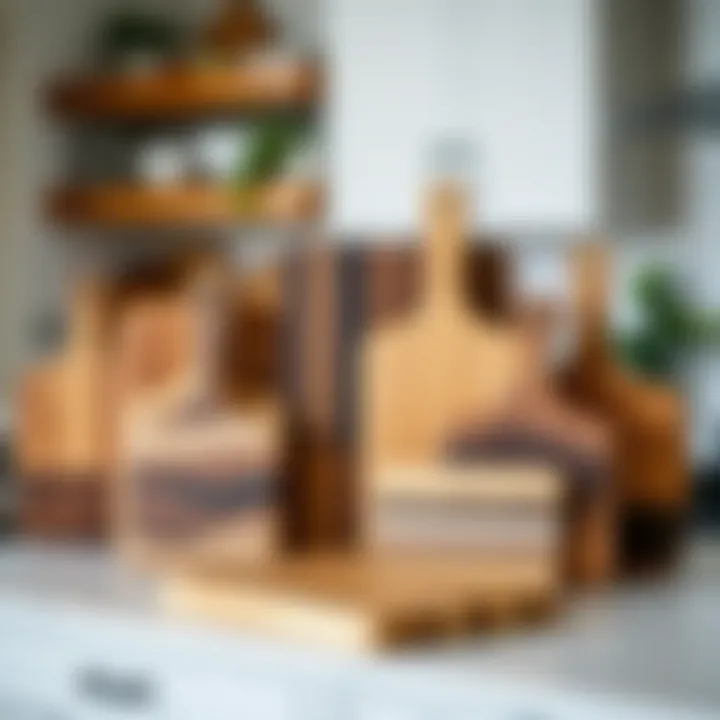
- Hardwoods like maple, walnut, and cherry tend to be more durable and can withstand a great deal of knife work. Oftentimes, a nice wooden board can age like fine wine, developing a unique patina over time.
- Bamboo is a popular alternative for those watching their budgets, yet it’s crucial to distinguish quality; not all bamboo boards are created equal. A well-crafted bamboo board can resist cuts and absorb fewer odors.
- Plastics boards offer versatility and ease of cleaning. However, they can scar more easily than wood, which may harbor bacteria if not treated properly.
- Composite boards present an excellent choice for those wanting the benefits of wood without the fuss. They are highly durable and usually dishwasher safe.
In summation, examining materials means understanding both durability and care. Quality choices lead to better performance and longevity.
Size and Thickness Considerations
When it comes down to size, the purchasing decision should align with your cooking habits and counter space. A few important considerations might be:
- Size: A larger board can be a dream for someone who enjoys entertaining, providing ample space for cutting multiple items. However, on the flip side, a smaller size may be perfect for compact kitchens where finding a balance is crucial.
- Thickness: Thicker boards tend to absorb shock better under heavy knives, thus reducing wear on both the knife and the board itself. A board around 1.5 inches thick or more is a solid investment for longevity and performance.
- Weight: A heavier board will stay put during chopping, but a lighter option might suit those who need to frequently lift their board for cleaning or storage.
Finding the right size and thickness will ensure that using the cutting board remains a pleasure rather than a chore.
Design and Aesthetic Appeal
Design is where functionality meets beauty. A block cutting board shouldn’t just be a tool; it should complement your kitchen. Here are a few aesthetic considerations:
- Color and Finish: A rich walnut board provides warmth, while a sleek plastic one can bring a modern vibe. Consider what will fit best within your kitchen’s color palette. A rich grain can be eye-catching, making the board itself a centerpiece.
- Shape and Style: Rectangular boards are traditional, but some prefer a round or even a custom shape that can become a talking piece.
- Multi-functional Design: Some boards now feature compartments or integrated technology, which not only maximize usability but also add a modern touch to the kitchen aesthetic.
In the end, the design should appeal to both the eye and the practicalities of everyday usage. The right board enhances the cooking experience while serving as a piece of decor.
"Choosing a cutting board isn't merely about utility; it reflects culinary culture, personal taste, and the kitchen narrative."
Overall, by focusing on material quality, size, thickness, and design, one can make a well-rounded decision on selecting a block cutting board that will enrich cooking practices. Whether it acts as a rustic charm or a modern marvel, the right board will support both function and form.
Maintenance and Care of Block Cutting Boards
Taking care of your block cutting board isn't just about keeping it clean, it's a critical part of extending its lifespan and ensuring it remains a versatile tool in your kitchen arsenal. A well-maintained cutting board not only reflects your level of care in the kitchen but also helps maintain the safety and quality of the food you prepare. Regular maintenance can prevent bacteria buildup, warping, and other damage that might come with neglect. Let’s delve into the facets of maintaining these invaluable kitchen items.
Cleaning Techniques
Cleaning your cutting board should be a straightforward yet essential routine. A clean board minimizes the risk of cross-contamination, a concern of paramount importance in any kitchen. Depending on the material of your cutting board, cleaning methods can vary:
- Wooden Boards: After each use, you can wipe them down with a damp cloth. For more intensive cleaning, a blend of warm water and mild soap will do the trick. Make sure to dry your board completely, as excess moisture can induce warping.
- Bamboo Boards: Similar to wooden boards, they require frequent wiping with a damp cloth. Given their porous nature, it's best to avoid soaking them in water.
- Plastic Boards: These can be easily cleaned in the dishwasher or with hot soapy water. They are less porous, making them easier to sanitize.
- Composite Boards: These can handle both hand washing and the dishwasher, but avoid high heat settings to preserve their integrity.
Importantly, never ever forget to dry thoroughly after washing. Leaving moisture on the surface is like throwing a welcome party for bacteria.
Oiling and Conditioning
Oiling your board is an absolute game-changer. This step is particularly critical for wooden and bamboo boards. The right treatment will help maintain the wood's natural moisture, preventing cracking and warping over time. Here’s how:
- Choose a food-safe mineral oil or a specialty cutting board oil available in the market. Avoid vegetable oils, as they can go rancid.
- Pour a small amount onto the board and spread it evenly using a cloth or paper towel.
- Let it soak in for several hours or even overnight. The longer it sits, the better it absorbs.
- Wipe off any excess oil. A thin layer is all you need in the long run.
A good habit is to oil your board every month or two, depending on usage. It not only prolongs the life of the board but also keeps it looking fresh and new.
Dealing with Stains and Odors
Stains and odors can be stubborn foes, but they are not unbeatable. Here’s how you can tackle them head-on.
- Baking Soda Paste: Mix baking soda with a bit of water to create a paste. Apply it to stains and let it sit for about 10–15 minutes. Wipe away with a cloth and rinse thoroughly.
- Vinegar Rinse: For persistent odors, a simple rinse with white vinegar can do wonders. It’s natural and helps eliminate those unwanted smells without damaging the board.
- Lemon Juice: Rubbing half a lemon on the surface will not only help cut through tough smells but also lift any lingering stains.
It’s advisable to address stains or odors as soon as they arise, rather than letting them fester. A little prompt attention goes a long way.
Remember: A cutting board is only as good as the care it receives. Treat it well, and it will reward you with years of dependable service.
Maintaining a block cutting board should be seen as an integral part of your culinary journey. With proper cleaning, regular oiling, and timely treatments for stains or odors, your cutting board will remain a functional and aesthetically pleasing asset in your kitchen, allowing you to focus more on the art of cooking rather than the maintenance of your tools.
The Cultural Significance of Cutting Boards
The role of cutting boards extends beyond mere kitchen utility; they are embedded with cultural, historical, and even emotional significance. In many households, the cutting board becomes a silent witness to culinary arts, serving as the stage where meals are crafted and stories are shared. Such items might be simple wooden slabs or elegantly designed art pieces, but they encapsulate much more than their physical attributes.
Cutting Boards in Culinary Traditions
Around the globe, different cultures have their specific methods and practices regarding the use of cutting boards. For instance, in Italian kitchens, the tagliere—often fashioned from sturdy wood—serves not just as a cutting surface but as a serving platter for antipasti, bridging the gap between preparation and presentation. Similarly, in Asian cuisines, bamboo boards represent a commitment to sustainability and a connection to nature, often preferred for their antibacterial properties.
Notably, various preparation styles dictate the choice of cutting board material. In the traditional halls of Japanese cuisine, finely crafted boards support delicate ingredients like fish and vegetables, respecting their texture and flavor. These practices show how traditional ingredients can guide the types of boards we use, reflecting a region’s culinary ethos and aesthetics.
- Culinary Techniques: Different cutting styles linked to cultures.
- Material Preferences: Local resources often influence choices.
- Shared Experiences: Family recipes and gatherings often center around the cutting board.
Symbolism in Different Cultures
Cutting boards also find their place as symbols in various cultural narratives. In some traditions, they are seen as a representation of hospitality. In many households, it's common for families to present food on the cutting board itself, signifying welcome and sharing.
In Jewish culture, the cutting board may carry spiritual significance. Special cutting boards are often used for kosher foods, marking a clear demarcation between what can and cannot be mixed.
For many in the Mediterranean, a well-worn and marked cutting board often tells a story—each scratch and dent revealing years of love and cooking traditions passed down through generations. This storytelling aspect of a cutting board’s wear often embraces nostalgia.
"Food tells a story about where we are from and where we are going, and the cutting board is one of the first chapters."
In essence, the cutting board has evolved into a cultural artifact that signifies more than functionality. It becomes part of our traditions, our memories, and a symbol of the inviting spirit of cooking.
Innovative Features in Modern Cutting Boards
In the fast-paced kitchen environment of today, staying ahead often means embracing innovation. Block cutting boards have certainly seen their fair share of advancements. Whether it’s about efficiency in food preparation or enhancing safety standards, some modern features are revolutionizing how we chop and serve food. Understanding these innovative attributes is crucial for homeowners, designers, and retailers alike who want to optimize both functionality and aesthetics in their culinary spaces.
Integrated Technology
The integration of technology in cutting boards is shaking things up more than a mid-afternoon espresso. Imagine a cutting board that can connect to your smartphone or tablet, telling you if you’re walking too close to that raw chicken! These smart boards can have built-in scales for precise measurement or even timers that remind you to check on your sautéed veggies. Some incorporate sensors to notify if you've placed a non-compatible knife on the surface which could damage both the knife and the board.
- Benefits:
- Precision: No need for additional measuring devices when cooking.
- Safety reminders: Helping avoid cross-contamination and ensuring a higher standard of kitchen hygiene.
- User engagement: Cooking becomes more interactive, satisfying tech-savvy users who appreciate a smart kitchen routine.
Moreover, there are boards with built-in LED lights for under-cabinet illumination. This feature helps create a well-lit workspace, ensuring that every chop is as precise as that chef knife you’ve been dreaming of since your last cooking show binge.
Customizable Options
Customization is not just a trend; it’s becoming a staple in modern kitchen tools. Today's cutting boards can be tailored to fit personal preferences, lifestyles, and even aesthetic choices. Homeowners can choose sizes, shapes, materials, and unique engravings. Imagine hosting a dinner party with a bespoke bamboo cutting board showcasing your family name or a significant date carved neatly into the surface. Talk about conversation starters!
- Considerations for Customization:
- Material preferences: Different types allow for varied uses; for example, a hardwood board might be perfect for heavy-duty chopping while a plastic one works well for faster clean-up.
- Shape and size: Depending on your kitchen layout, smaller boards can be more manageable than oversized ones that take up precious counter space.
- Engravings and designs: Custom designs do not simply serve an aesthetic purpose. They can also be functional, like having measurement markings on the side for pie-crust preparation or specific sections for different food types.
With these features, block cutting boards evolve from simple kitchen necessities into multifunctional tools that reflect personal style while enhancing utility in the kitchen.
"Innovations in design are not just about aesthetics but also about improving functionality, safety, and even the joy of cooking."
In summary, the modern cutting board is no longer just a passive tool in the kitchen. Its innovative features foster a more efficient, enjoyable cooking experience that resonates with the needs and aesthetics of today’s culinary landscapes.
Comparing Block Cutting Boards to Other Kitchen Tools
When one considers the landscape of kitchen tools, block cutting boards stand out due to their multifunctionality and essential role in food preparation. This section explores just how these tools compare to other kitchen staples, shedding light on their unmatched versatility and the considerations that come with choosing the right board for your culinary needs.
Versatility Against Specialty Boards
Block cutting boards offer a level of versatility that specialty boards simply can’t match. While specialized boards—such as those made for fish, meat, or vegetables—serve a single purpose, a block cutting board adapts to all cooking styles. For example, when chopping herbs, dicing onions, or even kneading dough, a wooden block cutting board can withstand various techniques without showing signs of wear.
There are a few key points to consider when comparing the general utility of block cutting boards with specialty types:
- Multi-Purpose Use: A block board is not restricted to one type of food. Using it for various tasks reduces clutter, as homeowners don't need multiple boards for different tasks. This is especially useful in smaller kitchens.
- Durability: Block cutting boards, particularly those made from hardwood, are known to endure the test of time. They can take harder impacts better than specialty boards made from plastic or lightweight materials, thus saving you from frequent replacements.
- Aesthetic Appeal: Unlike some specialty boards that may look functional but not pleasing, block cutting boards can also serve as centerpieces in the kitchen. The rich grain of wood or bamboo can complement your kitchen design beautifully.
A well-crafted block cutting board combines functionality with style, and it becomes a go-to tool in the kitchen.
"A cutting board is not just a surface; it's a canvas for your culinary artistry."
Cutting Boards versus Plates
The distinction between cutting boards and plates may seem trivial, but it's pivotal when it comes to food preparation and serving. Where cutting boards facilitate the actual process of cutting and chopping, plates serve as the endpoint for presenting food. However, comparing the two reveals critical insights regarding efficiency, hygiene, and practicality.
- Efficiency in Preparation: Using a cutting board allows for a more efficient workflow. You can chop vegetables and directly slide them onto a plate, reducing the steps in cooking prep. When you cut directly on a plate, the risk of damaging the plate's surface or disrupting its integrity increases. Block cutting boards handle sharp knives and heavy-duty chopping without flinching.
- Hygiene Concerns: Cutting boards, particularly made of wood or bamboo, possess natural antibacterial properties, reducing the risk of cross-contamination. Plates created for serving food do not share the same feature, and using them for cutting can introduce bacteria from raw meats or fish to other foods.
- Ease of Cleaning: While plates may go into the dishwasher, cleaning a cutting board properly—by hand, with soap and warm water—ensures cleanliness without wear from harsh chemicals. This preservation keeps the board functional for years while presenting a more eco-friendly cleaning option.
Sustainable Choices in Block Cutting Boards


Sustainable choices have become paramount in all aspects of our lives, especially in kitchenware. Block cutting boards, a staple of culinary arts, are no exception. Selecting a cutting board made from sustainably sourced materials not only supports ethical practices but also ensures that we’re caring for our planet while enjoying cooking.
When talking about sustainability, specific elements come into play. First, the materials used to create a block cutting board greatly influence its environmental impact. Materials that are sourced responsibly and produced with minimal ecological disruption contribute to a more sustainable kitchen. Thus, homeowners and designers alike should consider this aspect when making their selections.
Moreover, investing in sustainable block cutting boards can reap several benefits:
- Durability: Typically, high-quality, eco-friendly materials withstand wear and tear better than their counterparts, ensuring longevity.
- Healthier Choices: Sustainable materials often contain fewer chemicals, leading to a cleaner culinary experience.
- Lower Carbon Footprint: Boards made from local materials tend to have a lower carbon footprint than imported products.
As consumers become more informed about sustainability, it’s crucial that they make educated choices regarding their kitchenware. The benefits extend beyond personal use; they encompass broader ecological and economic factors that impact our communities and environments.
Eco-Friendly Materials
When it comes to eco-friendly materials for block cutting boards, several options stand out. Each of these materials brings unique qualities to the table, offering not only functionality but also peace of mind regarding the environmental footprint:
- Bamboo: Renowned for its rapid growth and renewability, bamboo is a popular option. It’s both lightweight and durable, making it practical for everyday use.
- Recycled Plastic: Using post-consumer recycled plastics minimizes waste and reduces dependence on virgin materials. Some manufacturers produce cutting boards from this material that hold up impressively over time.
- Hardwoods: Certain woods, like maple or walnut, when sourced sustainably, can create beautifully durable boards. These woods can also be certified by organizations like the Forest Stewardship Council.
Each of these materials reflects a commitment to sustainability while delivering performance. Homeowners should be encouraged to seek materials that align with these eco-friendly values.
Responsible Sourcing Practices
For block cutting boards, responsible sourcing practices are critical. Simply put, these practices ensure that materials are harvested in a way that doesn’t deplete resources or damage habitats. This means considering where the wood or material comes from and how it was processed.
A few key considerations include:
- Certification: Look for certifications such as FSC (Forest Stewardship Council) or SFI (Sustainable Forestry Initiative) which indicate responsible forest management practices.
- Transparency: Brands that open up about their sourcing practices are more likely to adhere to sustainable methods. Consumers should prefer suppliers who share detailed information about their supply chain.
- Local Production: Supporting local artisans not only reduces transportation-related emissions but also fosters community economies.
By leaning towards thoroughly vetted materials and brands that prioritize sustainable practices, consumers can ensure that their choice of block cutting boards reflects a commitment to the environment and ethical culinary practices. This conscientious approach aligns with a growing trend towards more mindful consumerism.
Aesthetic Integration with Kitchen Design
When it comes to modern kitchens, the cutting board is no longer just a utility item; it’s also a design element. The way a block cutting board integrates into the overall aesthetic of the kitchen can significantly enhance the space's feel. After all, in an open-plan kitchen setting, every detail counts. The blend of functionality and visual appeal is what makes a cutting board stand out, transforming it into more than just a piece of wood or plastic.
Color and Finish Selection
Choosing the right color and finish for a block cutting board can set the tone for the kitchen. Various materials like wood, bamboo, and plastic all come in different hues and textures. For example, a rich walnut board can add warmth, while a sleek black composite board may offer a more modern, streamlined look.
Tips for Choosing Colors
- Contrast: Select a board that contrasts with your countertop to draw attention. For instance, light countertops may benefit from a dark board.
- Harmony: Alternatively, choose a finish that harmonizes with other wooden elements in the kitchen, such as cabinetry or shelving.
- Timelessness: Stick to classic colors that won't date quickly; natural wood tones often age beautifully, whereas brightly colored plastics might not withstand changing trends.
The finish is equally essential; a matte surface could lend a rustic charm, while a glossy finish might speak to contemporary sensibilities. Remember, however, that some finishes may change the board's maintenance requirements, so consider that as you decide which is best for your kitchen.
Placement and Display Strategies
Where you choose to place your block cutting board can impact not only its usability but also the aesthetic coherence of your kitchen. A cutting board sitting tucked away in a cupboard does not do much for your kitchen’s overall look; it's much better displayed as part of the countertop setup.
Display Strategies
- Countertop Centerpiece: Position your board in a spot where it can act as a focal point, perhaps next to an array of cooking utensils or layered with a few decorative items, like fresh herbs or chef books.
- Wall-Mounted Racks: Consider wall-mounted racks if you want to save counter space and keep the board easily accessible.
- Stand-Alone Displays: Specialty stands can add an element of elegance, allowing you to showcase a beautiful board as a functional piece of art.
Whether you want your cutting board to blend in seamlessly with your kitchen design or stand out as a statement piece is a matter of personal choice. Embracing thoughtful placement adds an extra layer of functionality while also elevating the overall aesthetic experience of the kitchen, marrying practicality with beauty.
Finale
The importance of this article lies in its ability to distill the myriad aspects surrounding block cutting boards. As essential kitchen tools, they offer both practical benefits and aesthetic appeal. Selecting the right cutting board can enhance not just cooking efficiency but also influence the overall kitchen design.
Summarizing Key Insights
In reviewing the various types of cutting boards, we learned that every material holds unique characteristics. Wooden boards are favored for their durability and knife-friendliness, while plastic boards offer ease of cleaning and versatility. Bamboo cutting boards present an eco-friendly option but require diligent care to maintain their longevity. Composite boards blend the best of both worlds, providing resilience against wear and tear.
Furthermore, the article highlighted the significance of maintaining these boards properly. Regular cleaning, oiling, and stain treatment not only prolong their lifespan but also ensure they remain hygienic.
Moreover, this exploration touched on the cultural implications of cutting boards. In many communities, these boards transcend mere functionality and become symbols of culinary tradition, representing an integral part of their heritage. They often embody stories, passed down through families and generations, that add depth to their everyday use.
Future Trends and Innovations
Looking ahead, the cutting board industry is set to experience innovation at a swift pace. Integrated technology, such as built-in scales or smart sensors, may soon transform these boards into multifunctional kitchen gadgets. Customizable options, enabling consumers to tailor designs to their aesthetic preferences, will become increasingly common.
Also, as environmental awareness grows, sustainable materials will gain traction, pushing manufacturers to pursue responsible sourcing efforts. This aligns with a broader commitment to sustainability in kitchenware, ensuring that consumers can make choices that are not only functional but also conscious of the planet's health.
Through this journey of exploring block cutting boards, we have unraveled their significance and versatility in modern culinary practices. As the kitchen landscape evolves, keeping an eye on trends will be crucial for homeowners, designers, and retailers, enabling them to stay at the forefront of innovation.