Importance of Chair Leg Protectors with Felt Pads
Intro
Chair leg floor protectors with felt furniture pads have become increasingly essential in homes where flooring is a major investment. When an antique wooden floor meets an iron chair leg, the struggle is real. You might have found yourself thinking, "Why does it always have to scratch?" The importance of these unassuming little pads can't be overstated. Not only do they help in preserving the floor's surface, but they can also extend the life of your furniture. As homeowners, designers, and retailers navigate through a plethora of design aspirations, understanding these protectors is key.
These pads, usually made from felt, act as a barrier between the hard edges of furniture and your precious floor. From hardwoods to delicate tiles, all types of flooring can benefit significantly from these tiny guardians of home aesthetics.
In this article, we'll explore various aspects of chair leg floor protectors – their significance, types, installation methods, and the materials involved. As a bonus, we will provide guidance on how to choose the right pads tailored for your specific flooring needs.
Design Trends
Emerging Styles
Today’s market offers chair leg protectors in an array of styles that reflect current design trends. Gone are the days of basic, plain felt pads. Designers have innovated, resulting in protectors that not only serve a functional purpose but also add flair to furniture. Think about options like stylish rubberized pads or customizable felt covers that can merge seamlessly with the aesthetic of your home.
With environmental concerns in focus, there's a rising trend for eco-friendly materials. Products made from recycled components ad well as sustainable felt options are now readily available, making it easier than ever to match your design choices with your values.
Color Palette Inspirations
When selecting chair leg floor protectors, consider the color palettes that can enhance your room. Neutral tones like beige or taupe can blend in, creating a subtle look. However, don’t shy away from bolder colors if that’s more your style; vibrant blues or greens can add distinctive character to otherwise unnoticeable elements.
When looking to accentuate your room further, make sure to pick colors that harmonize rather than clash with the existing decor. Consider the entire room; sometimes, a contrast can draw attention, while other times, matching brings cohesion.
Practical Tips
Furniture Selection for Every Room
When choosing furniture, keep in mind the type of flooring below. Softer materials or lighter furniture often work better in spaces requiring frequent movement. A light-weight chair paired with a sofa that slides easily can prevent scratches that heavier counterparts might impose. Think about investing in gliding chairs for dining areas. These can glide smoothly rather than drag, which significantly lowers the risk of damaging the floor.
Maintenance and Care Guidelines
Proper maintenance extends the life of both your floors and your furniture pads. A few simple practices can help:
- Regularly inspect the pads for wear and tear. Replace them as necessary to ensure they function effectively.
- Clean the bottom of chair legs to prevent dirt build-up which could create scratches.
- Occasionally buff the floors to keep the surface smooth, which helps reduce friction with the pads.
Paying attention to small details, like floor protectors, can save you large cost in repairs down the line.
Prologue to Chair Leg Floor Protectors
Every homeowner knows the agony of dealing with scratched floors. Whether it’s the deep gouge from a chair sliding across the wood or the annoying scuffs on tile, these bumps and bruises can significantly mar the beauty of any living space. This is where chair leg floor protectors step in, acting as unsung heroes in the daily hustle of home maintenance. The objective of this article is to shine a light on the importance of these protectors and the role of felt furniture pads in safeguarding your flooring.
Chair leg floor protectors are not just a simple accessory; they offer substantial benefits that extend beyond aesthetics. By creating a barrier between the furniture and the floor, they prevent damage while also allowing furniture to be moved easily without creating noise.
Defining Chair Leg Floor Protectors
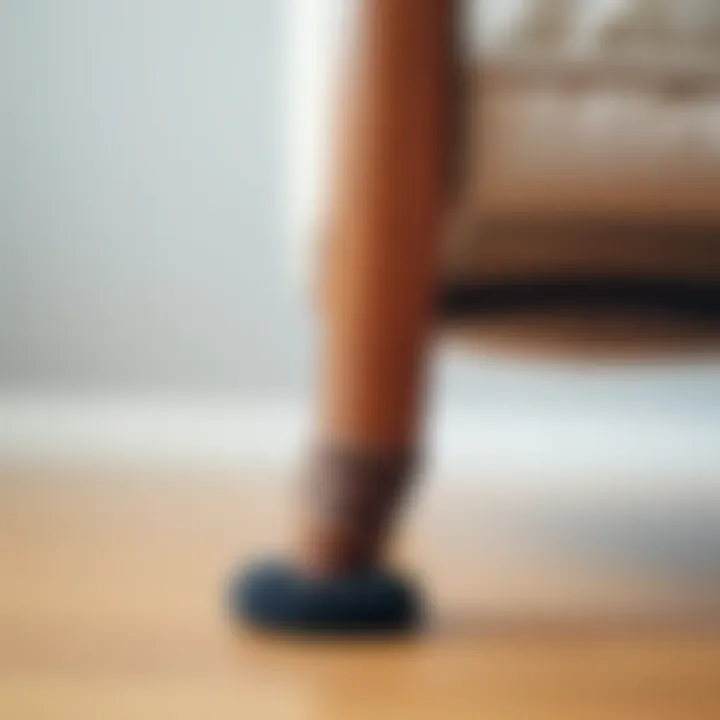
Chair leg floor protectors are small accessories designed to cover the bottoms of chair legs. Their primary purpose is to prevent direct contact with floor surfaces, which can lead to scratches and other types of damage. They can come in various forms, including adhesive felt pads, caps that fit over the leg, slip-on protectors, and screw-on styles. Essentially, these protectors serve as a cushion, absorbing the impact of movement, thereby minimizing wear and tear on floor surfaces.
Understanding Different Protector Types
- Adhesive Pads: These are simple circles or squares made of felt that stick directly to the bottom of the chair legs. They are often inexpensive and easy to apply.
- Caps: Snugly fit over the chair legs and are typically made from durable materials, providing more robust protection, especially for chairs that see frequent movement.
- Slip-On Protectors: Made from a flexible material, these can slip on and off easily but may not stay secure with heavy usage.
- Screw-On Protectors: For a more permanent solution, these protectors require screws to attach but provide excellent stability.
The Role of Felt Furniture Pads
Felt pads, specifically, play a crucial role in chair leg floor protection. They are made from dense fibers that absorb shock and reduce friction. This helps in several ways.
- Prevents Scratch Marks: Felt pads effectively minimize the chances of leaving behind those ugly scratches that can happen when moving chairs on all kinds of surfaces.
- Noise Reduction: One often overlooked advantage is how these pads dampen sound. The soft texture of felt means less scraping noise as you move chairs around.
- Easy on the Floors: One of the beauties of felt is its inability to damage even the most delicate surfaces like hardwood or vinyl. It essentially cradles the floor surface rather than scraping it.
"Using felt pads is a proactive measure in home maintenance; for minimal cost, one secures a longer-lasting floor and a serene living environment."
In summary, understanding chair leg floor protectors, especially those outfitted with felt pads, is vital for maintaining the integrity of a homeowner's floors. They are a simple yet effective tool in prolonging the life of beautiful flooring while also enhancing living conditions by reducing noise and friction.
Importance of Using Floor Protectors
Using floor protectors is not just a minor detail in maintaining the aesthetic of a room; it's a crucial step for homeowners looking to enhance both the longevity of their flooring and furniture. By investing in chair leg floor protectors with felt pads, one can safeguard the surfaces in their cherished home against various forms of damage that come with everyday use. Let's dive deeper into the specific benefits of these protectors, touching on how they serve to preserve both flooring and furniture.
Preventing Floor Damage
Every scratch, scuff, or dent on a floor can tell a story – perhaps of a family gathering or a simple day-to-day hustle. Unfortunately, these tales can also point to costly repairs and replacement needs. Chair leg floor protectors are designed predominantly to shield your floors from the physical wear and tear caused by moving furniture. When a chair leg drags across the surface – be it hardwood, tile, or laminate – it can lead to scratches that may permanently mar the floor's finish.
Utilizing felt pads at the base of chairs acts as a buffer between the furniture and flooring. This thoughtful addition absorbs the stress that comes with movement, thus preventing potential damage before it occurs. Think of it this way: protecting your floor is like putting a cozy pair of slippers on your favorite hardwood floor; it keeps it safe while allowing for movement and activity.
Extending Furniture Life
Furniture can be an investment, and just like any other asset, it requires care to ensure it stands the test of time. Floor protectors play a pivotal role in prolonging the lifespan of your furniture. Constant friction from moving chairs can weaken the material, leading to issues such as wobbling, breakage, or the need for early replacement.
By adhering felt pads to the legs of chairs and other furniture, homeowners effectively reduce the wear on both the furniture itself and the flooring underneath. Over time, this not only means retaining furniture in better condition but also significantly cuts down on replacement costs. A well-cared-for piece can be passed down as a cherished family heirloom, embellishing your space for years to come.
Reducing Noise and Friction
One often overlooked advantage of using chair leg floor protectors with felt pads is their impact on noise reduction. Whether it's a family dinner or a quiet evening with a book, jarring sounds from chairs scraping on the floor can be intrusive. The felt pads provide a natural damping effect, minimizing scraping and clattering sounds, leading to a more peaceful atmosphere in the home.
Moreover, less friction not only enhances comfort but also significantly reduces wear on both the flooring and the furniture materials. This creates a dual benefit: a quieter, more enjoyable home environment paired with reduced maintenance and repair costs for both the floors and your beloved furniture.
"It is the little things, like the felt pad under a chair leg, that make the biggest difference to our daily lives."
Types of Chair Leg Floor Protectors
When it comes to preserving the condition of floors while ensuring furniture remains stable, chair leg floor protectors are an indispensable component. This section will dissect different types available—each with its unique advantages and considerations. Understanding these types helps homeowners, designers, and retailers make informed choices that align with their specific needs and preferences.
Adhesive Felt Pads
Adhesive felt pads have become a household staple. They are straightforward to use: simply peel off the backing and stick them to the bottom of chair legs. A generous array of sizes and thicknesses exists, making it feasible to find the appropriate fit for various furniture styles. One significant bonus is their affordability and convenience.
When choosing adhesive pads, it's crucial to ensure the surface area that encounters the floor is clean and dry. This helps create a better bond, ensuring the pads stay put even under heavy use. Regular replacement is recommended as these pads can wear down, losing their effectiveness over time.
"Using the right adhesive felt pads can save you a fortune in floor repairs and refinishing costs, especially in high-traffic areas."
Slip-On Protectors
Slip-on protectors offer another level of simplicity. Often fashioned from rubber or soft plastic, they can easily fit over chair legs, which makes for a hassle-free setup. One of the primary advantages of slip-on protectors is that they stay in place exceptionally well, thanks to their snug fit.
However, one must be cautious about the chair leg's diameter; a mismatch may result in the protector slipping off during use.
In circumstances where the chair is frequently moved—think dining or office chairs—these protectors can provide a reliable barrier against scratches and scuffs that common movement might cause.
Screw-On Protectors
For a more permanent solution, screw-on protectors are an excellent option. These floor protectors are designed to be attached securely to the bottom of the chair legs, ensuring that they remain in place regardless of how hard the furniture is pulled or pushed. Usually made from durable materials like metal or hard plastic, they are especially useful for heavier furniture, such as dining tables or buffets.
While they do require a bit of effort and the right tools for installation, the payoff is worth it for users prioritizing durability. Just remember, before screwing them on, make sure to choose protectors suitable for both the chair legs and the floor type—this backward compatibility can sometimes make all the difference in performance.
Cap Style Floor Protectors
Cap style floor protectors provide an alternative approach to the usual felt pads, offering robust protection while maintaining an elegant aesthetic. These protectors typically encase the bottom of chair legs and are particularly advantageous for wooden floors.
Cap protectors cushion impact and act as shock absorbers, significantly reducing wear and tear on both the floor surface and the furniture itself. Many options come in a range of colors and designs, allowing for visual customization. However, it is essential to ensure that the caps do not extend too far up the chair leg, as this may impact the chair's stability or overall appearance.
Ultimately, the right choice of floor protectors hinges on specific furniture styles, usage patterns, and the flooring material itself. By taking the time to consider these different types and their benefits, homeowners can make selections that efficiently cater to their needs, prolonging both the life of their flooring and their precious furniture.
Choosing the Right Floor Protector
Selecting the ideal chair leg floor protector is not just an afterthought; it's a critical factor in safeguarding both your flooring and your furniture. With the myriad of options available, understanding what suits your home’s unique circumstances will not only save you from potential floor damage but also enhance the aesthetic appeal of your living space.
Assessing Your Flooring Type


Before rushing into any purchase, it's important to take stock of your flooring. Different materials respond to furniture and protectors differently. For instance, hardwood floors are particularly susceptible to scratches, making it vital to choose protectors that offer sufficient cushion and glide. On the other hand, tile or laminate floors may require a different approach, often leaning toward protectors that can grip without slipping.
- Hardwood Floors: Opt for felt pads that have a thick base to absorb impact.
- Carpeted Floors: Consider plastic or rubber protectors that can support the chair leg while preventing sinking into the carpet.
- Tile and Laminate: Look for hard plastic pads or durable felt options that won't slide easily, reducing the risk of scratches.
Ultimately, knowing what kind of flooring you have not only helps in selecting the right protectors but also aids in maintaining the longevity and appearance of your floors.
Evaluating Chair Legs and Design
Next, it’s time to evaluate your chair legs. Consider their material, shape, and design. Metal chair legs have different needs compared to wooden ones. For example, in dining chairs where stability is paramount, a slip-on protector could be more advantageous, ensuring that the chair stays firmly planted without scratching the floor.
- Shape: Round, square, or angled chair legs can influence the type of protector you’ll need. Round ends might benefit from adhesive felt pads, ensuring a snug fit.
- Material: Wooden legs often require softer pads to prevent scratching, whereas metal might need a sturdier solution, like screw-on protectors, which can endure more weight and movement.
- Design Considerations: If your furniture has intricate designs or unique shapes, ensure that chosen protectors complement these aesthetics without being overly bulky or distracting.
By carefully considering both your flooring and the chair leg designs, you not only maximize the efficacy of the floor protectors but also retain the visual harmony of your home. This practical approach will undoubtedly lead to enhanced comfort and satisfaction in your living spaces.
Installation Techniques
When it comes to maintaining the aesthetic and physical integrity of your flooring, installation techniques for chair leg floor protectors play a critical role. Proper installation not only ensures that the protectors function as intended but also enhances their longevity and effectiveness. Building a solid foundation from the start can save you both time and money in the long run.
Preparing the Chair Legs
Before you even think about attaching floor protectors, the first step is preparing the chair legs. This involves cleaning and inspecting each leg for any damage, such as splinters or uneven surfaces. If the wood is rough or has existing scratches, it’s beneficial to sand it down lightly. This smoothens the surface, allowing for better adhesion of adhesive pads, or snug fit for screw-on types.
- Clean the Surface: Use a damp cloth to remove dust and grime. A clear surface means better grip and adhesion.
- Inspect for Damage: Look for cracks or splits, as these could worsen when weight is applied.
- Sanding: Lightly sand to create a better surface for both adhesive pads and screw-on protectors.
Taking these steps ensures that protectors stick, stay, and perform well.
Applying Adhesive Pads Properly
Now that the chair legs are ready, it’s time to apply adhesive pads correctly. The way you apply these pads can significantly affect their performance. It’s not just a stick-and-go situation; timing and technique matter greatly.
- Choose the Right Size: Make sure the pads are slightly larger than the bottom of the chair leg to ensure proper coverage.
- Peel and Stick: Remove the backing from the pad. Align it carefully with the chair leg’s bottom.
- Press Firmly: Once the pad is in place, apply firm pressure for at least 10 seconds. This helps the adhesive bond effectively to the surface.
By following these steps, you ensure that the adhesive bond is strong. A poorly applied pad can lead to it peeling off or shifting over time, causing damage to your flooring.
Using Screw-On Protectors Effectively
Screw-on protectors provide a bit more durability and reliability than adhesive pads, especially for chairs that see a lot of movement. However, they require a bit more effort in terms of installation. Here are some key points to consider to do it right:
- Drilling Precise Holes: Mark where to drill carefully, making sure it aligns with the protector's screw placements.
- Use a Pilot Hole: Applying a smaller drill bit to create a pilot hole can help prevent cracking in the wood when you drive the screws.
- Secure Tight: Once the protectors are on, ensure they are secure not overly tight, allowing for slight movement but firm enough that they won’t loosen over time.
Using screw-on protectors can give you peace of mind in high-traffic areas and reduce the likelihood of unwanted scratches on your flooring. Proper installation will make sure you get appropriate performance from your protectors.
Materials Used in Felt Pads
Selecting the right materials for felt furniture pads is an essential aspect of ensuring that these floor protectors effectively serve their purpose. Not only do these materials determine how well the pads can prevent damage to flooring, but they also impact the overall durability and performance of the protectors. Understanding the different types of felt materials available can help homeowners and designers make informed choices that align with their specific needs.
Types of Felt Materials
When it comes to felt pads, the material can be broadly categorized into two main types: natural felt and synthetic felt. Each of these has unique qualities that make them more or less suitable for various applications.
- Natural Felt: Usually made from wool or a blend of wool and other fibers, this type of felt provides excellent cushioning due to its soft, dense structure. Its natural fibers can absorb shocks and provide extra padding, which is particularly beneficial for hardwood or sensitive flooring. However, natural felt tends to be less moisture-resistant, so it may not be ideal for areas with high humidity.
- Synthetic Felt: Often made from polyester or nylon, synthetic felt pads are known for their durability and moisture resistance. They're less prone to wear and tear and can withstand challenging conditions better than their natural counterparts. On the downside, synthetic materials can sometimes lack the same cushioning effect that natural felt offers, making them less effective in protecting delicate floors.
"Choosing the right material for your felt pads is crucial. It can mean the difference between a scratched floor and a preserved one."
Comparing Durability and Performance
In assessing the durability and performance of felt pads, it becomes vital to consider a few key factors.
- Wear Resistance: Synthetic felt generally exhibits superior wear resistance over time, allowing it to maintain its protective qualities longer than natural felt.
- Functionality: Natural felt pads tend to perform better in shock absorption due to their softer texture. This trait is especially useful in residential settings where furniture may be shifted frequently or where children play.
- Moisture Management: For homeowners in humid climates, synthetic felt could be the better choice, given its moisture-resistant properties, which can help prolong the life of the pad and maintain its protective capabilities.
- Environmental Impact: Natural felt tends to have a lower environmental footprint, as it is biodegradable and composed of renewable resources. On the other hand, synthetic options may present challenges concerning end-of-life disposal, though some are now being manufactured with recyclable components.
When selecting floor protectors, understanding these variables can empower individuals to find the most suitable felt pads for their specific circumstances. Combining personal preference with an awareness of the properties of different materials can enhance not only the longevity of furniture and floors but also the overall aesthetic and functionality of living spaces.
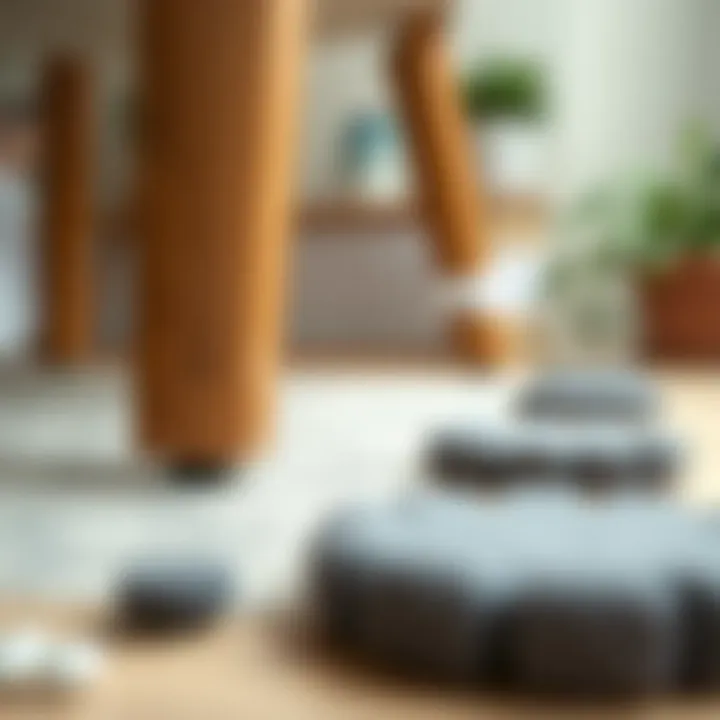
For more information on materials used in felt pads, consider visiting resources like Wikipedia or specialized websites focusing on home improvement.
Maintenance of Floor Protectors
Maintaining chair leg floor protectors is more than a simple housekeeping task; it’s a critical part of safeguarding your floors and maximizing the life of your furniture. When these protectors are properly cared for, they can significantly decrease wear and tear caused by daily use while providing additional cushioning to prevent scratches and dents on the floor. Over time, dirt and debris can accumulate, impairing the efficiency of the protectors. That’s why understanding the essentials of their upkeep is key.
Regular Inspection Guidelines
Inspections should happen regularly, at least every few months. Keeping an eye out for wear is important. Start by visually examining the felt pads and ensuring that they are aligned correctly on the chair legs. Check for signs of uneven wear, as this can indicate that it’s time to replace them.
- Look for fraying or thinning of the felt material.
- Inspect for dirt build-up. If the pads appear grimy, they can be cleaned gently with a damp cloth. Avoid harsh chemicals which could damage the material.
- Monitor the adherence to the chair leg. If they seem lifted or loose, they may need reapplication.
If you happen to notice any of these issues during your inspection, it can be a signal to take action sooner rather than allowing any potential damage to escalate.
When to Replace Floor Protectors
Replacement of floor protectors is inevitable over time. Knowing when to do so is vital for continued protection of your flooring. Here are some signs that can help you determine when it’s time for a change:
- Visible wear: If the felt is worn down to the backing material, it’s telling you it has served its time.
- Lost cushioning: When the pads no longer provide cushioning, they can fail to protect your floors adequately.
- Staining or damage transfer: If you find that your floor still bears marks or stains despite using the protectors, it indicates that the current pads are ineffective and need replacement.
- Foul Odor: Sometimes mold or mildew can build on dirty pads, which is not only unpleasant, but it's harmful too.
To ensure your floors stay in top shape, consider having a set of spare pads on hand. When you notice durability issues, simply swap them out—no fuss required. Regularly replacing your felt furniture pads helps you avoid costly floor repairs down the line.
Keeping an eye on your floor protectors ensures they do their job effectively. Small maintenance steps lead to significant long-term benefits.
Economic and Environmental Considerations
Understanding the economic and environmental implications of using chair leg floor protectors is crucial, particularly for those invested in maintaining the appearance and integrity of their homes. This section will unpack the benefits associated with floor protectors and also delve into sustainable options, fostering a sense of responsibility towards our planet.
Cost-Benefit Analysis of Using Protectors
When considering floor protectors, a cost-benefit analysis is paramount. Here’s how they stack up:
- Initial Investment vs. Long-term Savings
While the purchase price of felt furniture pads may seem minor at first glance, the long-term savings they can provide in terms of floor repair and replacement costs mount quickly. Floors that sustain damage from unprotected chair legs can lead to hefty refurbishing bills. For instance, a single scratch on hardwood might cost hundreds to repair, while a few dollars spent on felt pads could prevent this entirely. - Maintenance Costs
Regular maintenance is something every homeowner faces. Protectors not only minimize wear but also cut down on the need for frequent clean-ups — dirt and scratches accumulate, requiring laborious scrubbing. By preventing damage and dirt build-up, you can lessen cleaning time and reduce the use of cleaning products. - Furniture Longevity
Investing in protectors means extending the life of your furniture. Well-maintained furniture can be a significant asset. A low-cost investment now could translate into higher resale value later, should you ever decide to sell or upcycle your chairs.
In summary, investing in chair leg floor protectors encourages a different perspective on financial outlay; instead of being merely an expense, think of it as enhancing your home's worth and functionality.
Sustainable Material Options
As homeowners become more conscientious of their environmental footprint, the demand for sustainable materials in furniture pads grows. Several options are available that align with greener practices:
- Organic Felt
Sourced from natural fibers, organic felt is free from harmful chemicals and dyes, making it a safe choice for both your home and the environment. Manufacturers are increasingly embracing this eco-friendly material, helping to reduce waste and pollution. - Recycled Materials
Some floor protectors utilize recycled plastics or textiles. These products not only conserve resources but also help divert waste from landfills. By choosing protectors made from recycled content, consumers actively support a circular economy. - Biodegradable Options
Many protective pads are now designed to break down naturally after their useful life. This significantly reduces the long-term environmental impact and aligns with sustainable waste management practices. - Local Production
Opting for locally manufactured products reduces the carbon footprint associated with transportation. Buying local not only benefits the environment but also supports community businesses, creating a win-win scenario.
In essence, selecting sustainable materials for chair leg protectors reflects a commitment to both quality and environmental stewardship. By aligning purchasing choices with eco-friendly practices, homeowners can make a positive impact on their household and the greater world.
Culmination: The Necessity of Felt Furniture Pads
When looking at the overall scope of chair leg floor protectors, it becomes clear just how crucial felt furniture pads are for anyone wanting to maintain the aesthetic and structural integrity of their home. Whether you own a high-end dining set or a simple office chair, these little heroes can make all the difference in extending the life of your flooring and furniture.
Summary of Benefits
The advantages of using felt pads go well beyond what meets the eye. Let’s break it down:
- Prevention of Floor Damage: Felt pads act as a buffer between chair legs and hard surfaces, effectively minimizing scratches and dents. Regular wear and tear can be significantly reduced, making those unwelcoming marks a thing of the past.
- Enhanced Furniture Longevity: Who wants to constantly replace furniture? Felt pads not only protect your floors but also help in maintaining the condition of the furniture itself. The smooth surface glides over the floor instead of dragging, reducing the strain on legs and joints.
- Reduced Noise Levels: All of us have had those moments where a chair moves only to create an unbearable screeching sound. With felt pads, this noise can diminish substantially, offering a more serene environment—perfect for homes with sleeping children or quiet retreats.
- Aesthetic Appeal: Many homeowners appreciate that felt pads can be hidden, preserving the visual harmony of the space. Available in various colors and designs, they can even add a decorative touch—a win-win.
In essence, felt furniture pads are not just an accessory; they serve as a necessity in modern living spaces. Their function promotes a harmonious relationship between furniture and flooring, ensuring longevity and comfort.
Encouraging Thoughtful Selection
Choosing the right felt pads requires a bit of consideration. Homeowners should think about their specific flooring type—hardwood, tile, or carpet—since, different surfaces may require diverse solutions to avoid mishaps. Additionally:
- Thickness Matters: Different felt pad thicknesses provide varying degrees of cushion. A thicker pad might be needed for heavier furniture, while a thinner pad may work well for light dining chairs.
- Quality Over Price: It's tempting to grab the cheapest option on the market, but investing in high-quality felt pads can save money in the long run. Quality materials will prove more durable and effective.
- Shape and Size: Not all chair legs are the same. For instance, casters on office chairs may need completely different protections compared to a round dining table leg. Always measure and choose the most appropriate shape to ensure a snug fit.
By taking these factors into account, individuals can ensure they make an informed choice, maximizing the benefits that felt furniture pads offer. It’s about creating an environment that not only looks great but also functions seamlessly, avoiding the pitfalls of wear and tear.
"A stitch in time saves nine." Taking the time to select the right felt pads now can save homeowners from headaches and expenses in the future.
For more information on home improvement and interior decoration, check out Home Improvement Wiki or platforms like Reddit for practical tips.