Natural Wood Shelf Brackets: A Complete Guide


Intro
Natural wood shelf brackets are not just functional elements; they elevate the style of any room they inhabit. Constructed from various types of wood, they can bring warmth and character to a home. With the right choices, these brackets serve both as support and a decorative feature, making them an essential consideration for homeowners and designers alike. This guide will unpack the different aspects of natural wood shelf brackets, from identifying trends and styles to practical installation tips and maintenance advice.
Wood's versatility in design allows it to seamlessly blend with diverse aesthetics, whether your space leans towards rustic charm or minimalist sophistication. In essence, thoughtful incorporation of natural wood shelf brackets can transform a standard bookshelf or wall into a creative focal point.
In the following sections, we will explore significant design trends, investigate practical tips for selecting appropriate furniture, and outline maintenance care that keeps your wooden shelf brackets looking great for years to come. The goal is to empower you with the knowledge to harness the beauty and utility of these brackets effectively.
Preface to Natural Wood Shelf Brackets
In the world of interior design, natural wood shelf brackets stand out as exemplary choices that offer both form and function. These brackets not only lend support to shelves but also become crucial elements of the overall aesthetic in any space. Homeowners, designers, and retailers alike are recognizing the myriad ways these wooden supports can enhance both utility and design.
Defining Natural Wood Shelf Brackets
Natural wood shelf brackets serve as structural components that support shelves while introducing an organic charm into the environment. Made from various types of wood, they come in numerous styles, finishes, and designs. The preference for natural wood is rooted in its warmth and texture, characteristics often lacking in synthetic materials. By incorporating these brackets, one can seamlessly blend functionality with beauty in any room, be it a cozy home office or a vibrant living area.
The importance of defining what constitutes natural wood shelf brackets lies in understanding their value and versatility. They can be used in a range of applications, from floating shelves in minimalist designs to more traditional setups where the aesthetics of craftsmanship are prioritized. Ultimately, each bracket tells a story about its material, the process behind its making, and its place within a broader decorative context.
Historical Context of Shelf Brackets
Shelf brackets have been around longer than most might assume. Their origins can be traced back to various ancient civilizations, where functionality was of utmost priority. For instance, the ancient Egyptians utilized wooden supports to hold shelves that displayed essentials, revealing an early understanding of form meeting function. As architecture evolved, so did the design of shelf brackets.
During medieval times, shelf brackets transitioned into ornate wooden pieces, often adorned with carvings that communicated the wealth and craftsmanship of the period. These were not merely functional items but status symbols placed in grand estates. As we moved into the later centuries, especially during the Industrial Revolution, the advent of manufacturing technologies introduced a new era of shelf brackets. Although mass-produced, some designs continued to celebrate the natural grain and beauty of the wood.
In contemporary design, there’s a renewed emphasis on natural materials and handcrafted items, moving away from the cold sterility of plastic and metal. Thus, wood’s popularity in shelf brackets swelled once more, particularly among those looking to execute a warm, inviting aesthetic in their homes. Today, knowing their history provides context for the choices we make in design and speaks to the timeless nature of wood as a material.
"Wood is the most technologically sophisticated material, and it can be fashioned into an art form that transcends mere utility."
— Unknown Author
Types of Wood for Shelf Brackets
When it comes to selecting natural wood shelf brackets, the type of wood chosen is a crucial factor. Each type of wood brings not just its unique aesthetic, but also varying levels of strength and durability. Whether forging a link between rustic charm and modern minimalism or enhancing the structural integrity of heavy-duty shelves, the right wood can make all the difference. Understanding the characteristics of both hardwoods and softwoods available for these brackets will aid in making an informed decision that aligns with your design goal and functional needs.
Hardwood Options
Hardwoods are typically denser and more durable than their softwood counterparts, making them suitable for a variety of shelving applications. Here, we explore three popular hardwood choices:
Oak
Oak, recognized for its robustness, stands as a preferred option among woodworkers. It boasts a tight grain pattern that works wonders in showcasing its beautiful natural texture. The key characteristic of oak is its incredible strength, making it ideal for supporting heavy loads. This durability is particularly important if you envision installing shelves loaded with books or decorative items.
Furthermore, oak's natural resistance to warping enhances its overall longevity, further cementing its place as a beneficial choice in this context. However, oak can sometimes be pricier, which might be a consideration if your budget is tight.
Maple
Maple offers a lighter complexion than oak yet doesn’t compromise on strength. Known for its fine and consistent grain, maple lends a sleek and contemporary look to any installation. Its unique feature lies in its capacity to take on stains and finishes exceptionally well, allowing for a wide variety of color options. This adaptability makes maple a popular choice for those looking to customize the appearance of their shelf brackets.
However, while maple is very strong, it can also be more susceptible to scratching compared to tougher hardwoods. This means if you use it in high-traffic areas, some caution might be warranted.
Walnut
Walnut is arguably the most luxurious of the hardwood options. Its deep, rich hues and intricate grain patterns can add a touch of sophistication to any design. The key characteristic of walnut is its dimensional stability, meaning it resists twisting and warping over time. This makes walnut not only beneficial for aesthetic appeal but also practical in functional terms.
One downer of walnut is its cost; it can be much more expensive than other choices. But if you're looking to truly elevate your decor, its unique feature may just be worth that price tag.
Softwood Alternatives
On the flip side, softwoods are generally easier to work with and more cost-effective, making them appealing choices for lighter shelves or those on a budget. Here we dive into three popular softwood options:
Pine
Pine is widely used thanks to its availability and light weight. It’s easier to cut and shape, making it ideal for DIY projects. The key characteristic of pine is its ability to take stains well, though it might be prone to dents and scratches. While its strength is adequate for many shelving applications, using it for very heavy loads might not be a great idea. Does it compromise the visual appeal? Not really! With the right finish, pine can exude a charming rustic vibe.
Cedar
Cedar is known not just for its beauty but also for its aromatic quality. The key characteristic here is its natural resistance to decay and insect damage, making it a practical choice for outdoor shelving or humid environments. Some unique features include its light weight and attractive wood grain patterns. However, its softness can be a drawback if you’re considering heavy-duty applications because it can dent easily.
Fir
Fir, a strong yet flexible softwood, is often praised for its structural integrity. The key characteristic of fir is its straight grain, which provides a clean and uniform look that blends seamlessly with many designs. One unique feature is its resistance to warping, ensuring shelves maintain their shape over time. On the downside, fir's lighter color may not appeal to everyone, especially if a deeper wood tone is desired.
Understanding the nuances between these hardwood and softwood options will help you tailor your selections to fit specific needs. Navigating this terrain is essential, whether you aim for durability, aesthetics, or budget-friendliness.
Design Considerations
Design considerations are crucial when choosing natural wood shelf brackets, as they not only impact the aesthetic appeal but also influence functionality in your space. The right design can harmonize with your interior and elevate the entire room's atmosphere. Factors such as style compatibility and color options are integral in ensuring that the brackets complement the shelves and the surrounding area.
Style Compatibility
When it comes to style compatibility, understanding the different design aesthetics available helps in making an informed decision.


Rustic
The rustic style is characterized by its warmth and ruggedness. Often, it features natural textures with an emphasis on wood grain and imperfections. This style is a popular choice for many, particularly those who appreciate a cozy, homey feel. The key characteristic of rustic design is its ability to bring the charm of the outdoors inside. For instance, using reclaimed wood can add history and authenticity to your space.
One useful feature of rustic wood brackets is their versatility. They work well in various settings, from cabins to modern homes desiring a touch of warmth. However, they might not suit ultra-modern designs that favor sleek, polished looks.
Modern
Modern design leans towards minimalism, favoring clean lines and simplicity. The characteristic feature of modern brackets is their often angular shapes, which seem to float rather than frame. This style can evoke a sense of calmness and discipline in a space. Choosing modern wood brackets often leads to a more spacious visual due to the streamlined design.
Advantages include a broad appeal across different demographics; however, using modern designs may narrow compatibility with traditional aesthetics. Finding the perfect balance between style and functionality becomes essential.
Industrial
The industrial style reflects raw and edgy characteristics, often connected to urban settings. Industrial brackets can have a rustic appeal with a twist of modern functionality. A key feature is the mix of raw and refined materials, often incorporating metals alongside wood. This combination provides a strong statement piece that integrates well with loft-style apartments or open-concept homes.
While industrial designs can be visually striking, they might clash with softer themes. It's essential to consider the overall decor when integrating industrial elements to ensure a cohesive look throughout the space.
Color and Finish Options
Beyond design style, the color and finish of wood brackets significantly impact the assembled look of the shelves.
Staining Versus Painting
Staining allows the natural grain of the wood to show through while adding color. This method enhances the beauty of the wood grain, bringing out rich hues and the unique characteristics of the wood. On the other hand, painting can provide a different aesthetic altogether and offers a much wider color palette. You can easily match the brackets to your existing décor.
However, staining requires more attention as uneven application can result in blotchy finishes. Painting, while being a quick fix, may hide the natural beauty of the wood, potentially undermining the rustic appeal.
Natural Finishes
Natural finishes like oils and waxes preserve the wood's characteristics without obscuring its appearance. They maintain the organic texture while offering some level of protection from wear and tear. For those keen on authenticity, this finish is a perfect choice. One of the unique advantages of natural finishes is their ability to age beautifully, developing a rich patina over time.
Despite their benefits, the downside can be the need for regular maintenance, as natural finishes require reapplication to maintain their protective qualities.
Varnishes and Sealants
Varnishes and sealants present another layer of protection while allowing versatility in achieving different levels of shine, from matte to high gloss. They form a durable layer on the wood surface, protecting against moisture and stains. A big plus is that varnishes are easier to clean and maintain over time than natural finishes.
Nevertheless, they can sometimes distort the wood's color and texture if not applied correctly, posing a risk to the intended design choice. This factor is particularly crucial when selecting finishes for pieces meant to be focal points in a room.
“Choosing the right design elements can enhance both functionality and aesthetic appeal of your shelf brackets, ensuring they truly fit into your vision for the space.”
Adapting wood shelf brackets to your design preferences can transform the overall look of your home environment. It's essential to be mindful of style compatibility and finish options to achieve the desired effect.
Functional Benefits of Wood Brackets
Natural wood shelf brackets are more than just a pretty face holding up your books or décor. They bring a myriad of benefits that can transform a simple shelf into a multifunctional masterpiece. This section elaborates on how wood brackets excel in strength and longevity, as well as their versatility in application.
Strength and Longevity
Strength and longevity are perhaps the cornerstones of any good shelf bracket. Natural wood, particularly when sourced correctly, can withstand significant weight and endure the test of time.
Load-Bearing Capacity
When we talk about load-bearing capacity, it’s vital to highlight that wooden brackets can handle considerable weight if installed correctly. Typically, hardwoods like oak or walnut offer exceptional strength, making them a popular choice for heavy-duty shelving. Imagine placing a row of your beloved books or heirloom collectibles on a shelf that wouldn’t buckle under pressure—this is the kind of reliability wood brackets promise. Moreover, these brackets can support different shelf thicknesses, enhancing their loading capabilities further, which is a significant advantage for homeowners who prefer heavy or densely packed shelves.
Key characteristics of load-bearing capacity include:
- Resistance to bending and warping
- Stability against daily wear and tear
- Compatibility with various shelf materials and sizes
However, it’s crucial to correctly assess the weight limits based on the type of wood and installation methods. Choosing the wrong bracket could lead to unfortunate mishaps, after all.
Durability Over Time
Next on the agenda is durability over time. Natural wood blends durability with aesthetic appeal, making it a favored material in homes and workplaces. Over the years, you’ll find that wood can age gracefully, developing a unique patina that adds character. Yet, this isn’t just about looks; durability implies a longer lifespan with minimal replacements.
When cared for properly, wooden brackets can last for decades. However, it’s wise to pick quality wood types like maple or cherry, which can resist splintering while maintaining structural integrity in various conditions, such as fluctuating humidity levels.
Unique features of durability include:
- Natural resistance to decay and pests when treated
- Ability to be refinished or repaired, extending lifecycle
Some downsides could include the tendency to crack if not maintained well, but a simple re-oiling can remedy this issue, reinforcing their longevity.
Versatility in Application
Versatility is the pièce de résistance of wooden brackets, allowing them to function effectively across diverse settings and styles. It can’t be stressed enough how adjustable and adaptive these brackets are in various contexts, making them a must-have in both residential and commercial settings.
Shelves in Various Settings


Wood brackets shine brightly in various settings—living rooms, kitchens, and even retail spaces. The ability to blend aesthetics with functionality is a quality that makes them beneficial in both contemporary and traditional designs. For instance, sturdy oak brackets can complement rustic kitchens, while sleeker versions made from lighter woods can fit seamlessly into minimalistic spaces.
The characteristic of wooden brackets being compatible with a wide range of interiors means they can elevate the ambiance of any room:
- Living room: Great for displaying art or collectibles
- Kitchen: Function well for holding spices or cookbooks
- Commercial: Ideal for showcasing products in retail stores
Adaptability to Different Heights
Finally, let’s cover the adaptability to different heights. The beauty of wooden bracket installation is that it allows endless customization to fit personal space needs. Whether you need high shelves for décor that draws attention or low brackets for easy access to everyday items, wood brackets provide that flexibility.
Key characteristic of adaptability includes:
- Easy to adjust levels during installation
- Fits both standard and bespoke shelf sizes
The advantage here is clear; you aren’t boxed into conventional placements. The unique feature of wood brackets allows even a novice DIY enthusiast to install them at whatever height suits their needs. However, one must remember to anchor the brackets correctly when applying the vertical range to ensure maximum safety and efficiency.
"Wooden brackets not only serve their purpose as functional support but also contribute to a home’s character, displaying a union of durability, strength, and elegance."
In sum, the functional benefits of wood brackets extend far beyond simple structural support—they serve as reliable companions in the art of home organization and design, appealing to homeowners, designers, and DIYers looking for something that would stand the test of time.
Installation Techniques
The installation of natural wood shelf brackets is crucial for achieving both aesthetic appeal and functional efficiency. Understanding the right techniques not only ensures that the brackets are securely mounted to hold the desired weight, but also enhances the overall look of your shelves. Proper installation reflects attention to detail, which is particularly important for homeowners and designers aiming for a polished finish in their spaces. It can make all the difference between a shelf that looks perfect and one that appears precarious or poorly done.
Tools Required for Installation
Before diving into the installation process, it’s essential to gather the proper tools. Inadequate tools can lead to frustration and potentially disastrous results. Here’s a round-up of must-have tools:
- Drill: A power drill is vital for making pilot holes and driving screws, making the job easier.
- Stud Finder: This gadget will help identify the structural supports behind your walls, ensuring secure bracket attachment.
- Level: A level ensures that your brackets and shelves are perfectly horizontal, avoiding any slanting that can be visually unappealing.
- Tape Measure: Accurate measurements will aid in the proper placement of your brackets.
- Screwdriver: Depending on the screws used, a screwdriver will be necessary for tightening.
- Pencil: For marking measurements on the wall before installing the brackets.
Step-by-Step Installation Process
Installing shelf brackets might seem daunting, but breaking it down into simple steps can help clarify the process.
Measuring and Marking
This step, while often overlooked, is pivotal in achieving balanced and secure shelf placement. Accurate measuring and marking provide the foundation of your installation. Begin by deciding the height at which you want your shelves.
A reliable characteristic of measuring and marking is precision; it’s the difference between a well-placed shelf and a crooked one. A tape measure comes into play here, allowing for exact distances to be marked on the wall with a pencil.
- Unique Feature: Using a stud finder to mark the positions of wall studs can add a layer of security for heavy items.
- Advantages: This step avoids the dreaded aftermath of needing to reposition brackets due to incorrect measurements, saving time and effort.
Securing the Brackets
Once marked, the next phase is securing the brackets in place. This process involves drilling pilot holes at the marked points and using either screws or wall anchors to attach the brackets to the wall.
The primary characteristic of securing the brackets is stability. A securely fastened bracket ensures the weight of the shelf, along with any items placed on it, won't cause it to pull away from the wall. This is particularly vital for wooden brackets as they are designed to support varying weight loads.
- Unique Feature: Using anchors for drywall installations adds strength, accommodating heavier shelves without compromise.
- Advantages: Properly secured brackets will prolong the life of your shelves, preventing sagging and potential accidents.
Placing the Shelves
Finally, you reached the rewarding part – placing the shelves! Gently setting your shelf on the installed brackets requires attention as well. This is where you’ll assess the alignment and adjust it if necessary, ensuring that the shelf doesn’t lean or wobble.
The key characteristic in this stage is balance. Checking that your shelf is level before loading it up ensures that the weight is evenly distributed.
- Unique Feature: Some brackets offer a lip or stop to keep shelves from sliding off.
- Advantages: A well-placed shelf not only looks good but functions effectively, allowing designers and homeowners to truly enjoy the space they’ve created.
In summary, following these steps closely will guarantee a successful installation of natural wood shelf brackets. This process not only maximizes their potential but enhances the overall functionality and aesthetic of your space.
Maintenance and Care
Maintaining natural wood shelf brackets is crucial not just for their aesthetics but also for their longevity. Over time, without proper care, these beautiful pieces can lose their luster and structural integrity. A little effort can go a long way in preserving their charm and ensuring they remain a key element of your home décor. This section unpacks some essential cleaning and preservation techniques that will help keep your wood shelf brackets looking their best.
Cleaning Recommendations
Best Practices for Dusting
Dusting may seem trivial, but it's the first line of defense against dirt and grime. Using a soft, dry cloth and some gentle strokes can significantly enhance the appearance of your wood brackets. One key characteristic of this practice is that it prevents buildup. It’s wise to perform dusting regularly, perhaps every couple of weeks, as it reduces the need for more intensive cleaning later on.
- Why it’s beneficial: A consistent dusting routine keeps the wood’s natural sheen intact and helps maintain its overall health.
- Unique features: Dusting also protects the wood from scratches which can happen with harsher cleaning methods. However, if one isn’t careful and uses a rough cloth, they might inadvertently damage the finish.
Removing Stains and Marks
Stains on wood shelf brackets can arise from spills or contact with greasy or damp materials. Addressing these marks promptly is key to preserving the beauty of your wood. For a versatile solution, a mixture of mild soap and water often works wonders. Gently wipe the stain with a soft cloth dipped in the soapy water, followed by a damp cloth to remove any soap residue.
- Why it’s beneficial: This method helps maintain the color and texture of the wood without causing any damage.
- Unique features: It’s essential to ensure that excess water is avoided, since wood absorbs moisture, which can lead to warping over time. A stain may take a couple of attempts to remove completely, particularly if it has penetrated the finish.
Preservation Techniques
Re-Oiling Wood
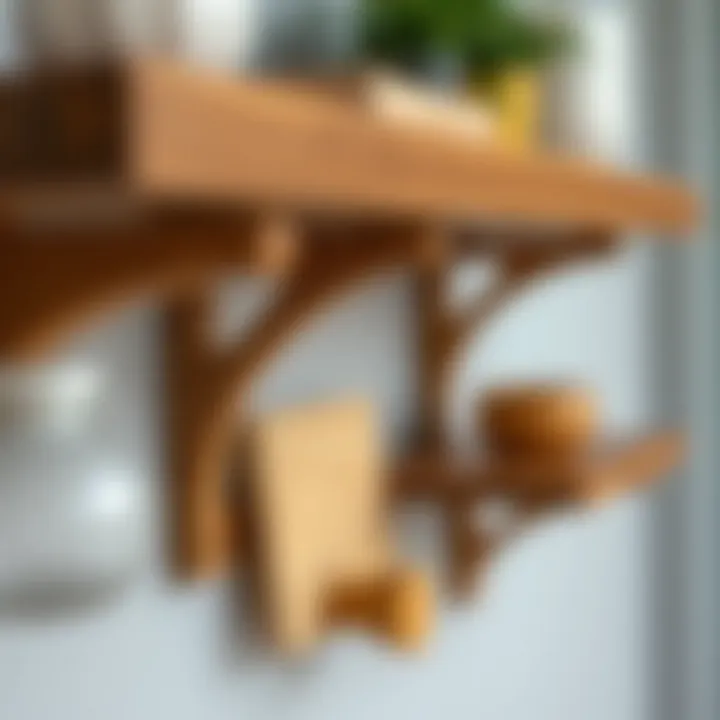
Regularly re-oiling your wood brackets is a simple yet effective way to ensure they last for years to come. This practice replenishes the natural oils that keep the wood hydrated and protects against drying out and splitting. The best oils to use are usually mineral or tung oil. They soak into the wood, providing a protective barrier.
- Why it’s beneficial: Oiling preserves the grain and luster of the wood, making colors more vibrant.
- Unique features: It’s crucial to apply oil sparingly and allow it to penetrate. If too much is used, it may lead to a sticky surface, which can attract more dust.
Applying Protective Coatings
Another effective way to protect your wood shelf brackets is by applying a protective coating, like a varnish or polyurethane finish, depending on your wood type. This coating serves as a shield against moisture and scratches and can be reapplied every few years.
- Why it’s beneficial: A good finish can significantly extend the life of wood shelf brackets, making them more resilient against everyday wear and tear.
- Unique features: However, applying a new layer of protective coating requires skill; if done improperly, it can create an uneven surface that diminishes the wood’s natural beauty. Achieving a balance between protection and maintaining a natural look can be a bit of a juggling act.
It's important to remember that each wood type may require specific products for cleaning and preservation; therefore, always refer to the manufacturer's guidelines for the best results.
In summary, maintaining natural wood shelf brackets is not just about aesthetics but ensuring longevity. Regular cleaning and the right preservation techniques will keep them looking fresh and functioning well for years ahead.
Common Misconceptions
Common misconceptions about natural wood shelf brackets can cloud one's judgment, especially when making decisions for home décor. Often, assumptions about the durability or design capabilities of these brackets can lead to missed opportunities for both aesthetics and functionality. Correcting these myths is essential as it not only informs consumers but also elevates the overall appreciation for wooden shelf brackets in interior design.
Durability Myths
A frequent assumption is that wood brackets lack the strength necessary to support heavier shelves or items. However, this is a misconception that can be debunked by understanding the different types of wood used in construction. For instance, hardwoods like oak and walnut provide exceptional strength and stability, able to bear significant loads without warping or bending.
Another prevailing myth is that natural wood can’t withstand moisture or different environmental conditions, leading homeowners to believe that these brackets are suited only for dry, indoor environments. While it’s true that untreated wood can be vulnerable to moisture, applying appropriate finishes such as sealants can greatly enhance their resistance to humidity and prolong their lifespan.
In practice, well-treated wood brackets can offer durability comparable to metal options, presenting a viable choice for various applications in kitchens, living rooms, or even outdoor settings where aesthetics and strength are equally valued.
Design Limitations
People often think that wood brackets are limited in their design potential, restricting them to a rustic or traditional aesthetic. This couldn’t be farther from the truth. In recent years, the market has seen a surge in creative designs that challenge this notion. Minimalist configurations, geometric shapes, and unique finishes allow wood brackets to fit seamlessly in modern interiors or avant-garde spaces.
For instance, brackets that combine wood with metal accents can lend an industrial flair, providing an unusual blend of warmth and sturdiness. Furthermore, custom woodwork can be crafted to match specific design themes, allowing for endless possibilities in shelf styling—it’s all about having the right vision.
"Wood brackets are no longer just tools; they are design elements that can redefine a space."
Understanding these misconceptions is crucial for homeowners, designers, and retailers, as it encourages a broader exploration of what natural wood shelf brackets can offer. By recognizing the strengths and versatile design options, one can confidently incorporate these brackets as an integral part of both functional and thematic design in any space.
Trends in Shelf Bracket Design
Trends in shelf bracket design reflect not just aesthetics but also functional needs in modern interiors. With many homeowners looking to express their personal style while maintaining practicality, understanding these trends becomes essential. The current design landscape showcases a blend of function and art, making it imperative for designers, retailers, and DIY enthusiasts to stay updated.
Current Popular Styles
Minimalist Designs
Minimalist designs have taken the interior design world by storm. Characterized by clean lines and simple patterns, these brackets are about functionality without the frills. Their contribution lies in creating a spacious look, as they often appear almost weightless. A key characteristic of minimalist designs is their ability to blend seamlessly into any decor while still being visually appealing.
One of the unique features of minimalist brackets is how they often use materials that emphasize simplicity yet maintain strength.
Advantages of this design approach include versatility; they fit well in modern, rustic, or transitional spaces. However, the disadvantage could be perceived as a lack of ornamentation, which may not satisfy those who prefer elaborate or decorative elements.
Geometric Shapes
Geometric shapes have exploded in popularity and stand out as a striking element in contemporary design. These brackets often feature dynamic lines and structured forms, which create a bold statement in any room. This trend brings a principled approach to design, aligning with modern architectural aesthetics.
Their key characteristic is the use of shapes like triangles or hexagons, which can provide added strength and a unique flair. The implication of incorporating geometric shapes is visually stimulating—they can serve as works of art as much as functional supports.
While their advantage lies in their artistic potential, it’s worth noting that they may not complement designs striving for a soft or rustic feel. They require careful consideration in their placement to avoid overwhelming other design elements.
Mixed Materials
The use of mixed materials in shelf bracket design is a trend ready for exploration. This approach combines various textures—like wood and metal or glass and acrylic—creating an intriguing visual contrast. This fusion caters to a wide range of styles, from industrial to bohemian.
A key characteristic here is how different materials can together maximize strength while enhancing the overall look. For instance, a wooden bracket accented with metal can establish a rustic yet modern feel.
The advantages of this style include flexibility in design to fit many decor contexts, but the disadvantage could be the challenge in achieving a cohesive look if not done thoughtfully. Striking the right balance between materials is crucial and might require a bit more effort in selection and installation.
Future Directions
As we look ahead, trends in shelf bracket design will likely evolve to emphasize sustainable materials and customizable options. Homeowners are becoming increasingly aware of the importance of eco-friendly design, and this will push manufacturers to explore alternatives that don't compromise on quality or style. Additionally, technology's integration into design is expected to create new opportunities for innovative shapes and customizable designs.
End
In wrapping up the discussion on natural wood shelf brackets, it’s essential to underscore the myriad reasons why these elements are a paramount choice for both functionality and aesthetic in home décor. Not only do they offer a strong and durable solution for holding shelves securely, but they also contribute an organic warmth and character to interior spaces. Their versatility makes them suitable for diverse styles—from rustic to contemporary—allowing homeowners and designers alike to tailor the look of a room seamlessly.
Recap of Key Points
- Material Variety: Natural wood shelf brackets come in various wood types—hardwoods like oak and walnut, as well as softwoods like pine. Each offers distinct characteristics and finishes suitable for different settings.
- Design Trends: Current trends emphasize minimalist and geometric styles, showing a shift towards sleek designs that utilize natural materials creatively.
- Installation and Maintenance: Proper installation techniques ensure that brackets hold their load effectively. Maintenance, including regular cleaning and re-oiling, is crucial for preserving the beauty and integrity of wood brackets.
- Functional Aesthetics: They serve as both practical supports for shelves and eye-catching elements in a room's design.
Final Thoughts on Natural Wood Shelf Brackets
Natural wood shelf brackets are more than just hardware; they embody a blend of utility and creativity that can transform a plain wall into a functional art piece. For homeowners looking to cultivate a stylish and inviting atmosphere, understanding the nuances of these brackets—from the kind of wood to employ, to the proper care and maintenance—can elevate the overall aesthetic of a space. With the right knowledge and thoughtfulness, these seemingly simple items can bring lasting charm and support, making every shelf not just a place for items, but a statement of style.
Ultimately, as trends shift and evolve in interior design, natural wood shelf brackets remain a classic choice, melding beautifully with various décor and practical needs. Investing in quality, thoughtfully designed brackets is an investment in both form and function, promising to stand the test of time.