Exploring Velvet Pattern Curtains: Design and Functionality
Intro
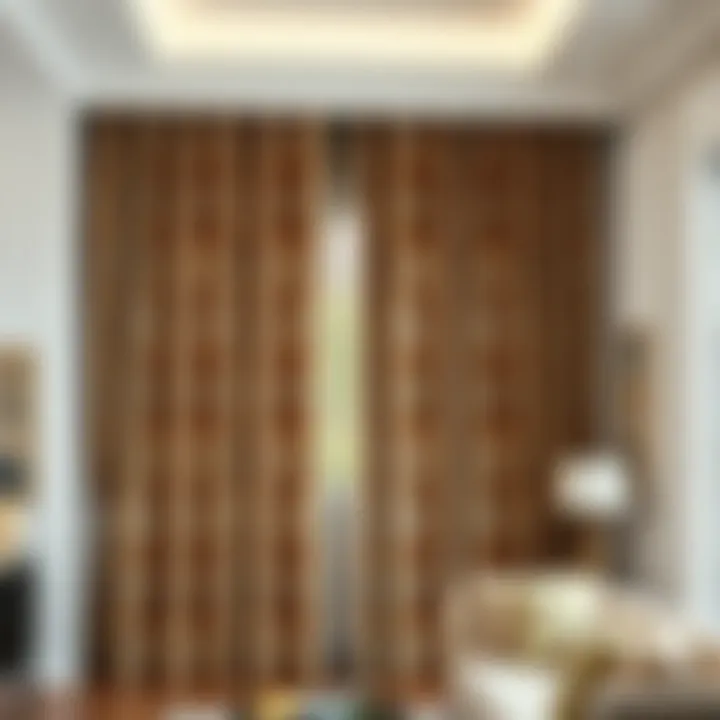
When it comes to elevating your living space, curtains often play a pivotal role. Among the myriad of options, velvet pattern curtains emerge as a sophisticated choice that combines luxury and practical functionality. These curtains not only serve the purpose of privacy and light modulation, but they also possess a unique ability to enhance the aesthetic appeal of any room. In this guide, we shall unpack the artistry behind velvet pattern curtains, examining their myriad design trends, applications, and the delicate balance they maintain between style and function.
Furthermore, understanding how velvet interacts with light can dramatically alter the atmosphere of a room. This makes it crucial for homeowners and interior designers alike to grasp the subtleties of selecting the right fabric and patterns that resonate with their vision. Whether you are a design enthusiast looking to refresh a space or a homeowner aiming to make a statement with your decor, this guide will provide essential insights into the world of velvet pattern curtains.
Design Trends
In the realm of interior design, staying ahead of trends is often beneficial. Velvet pattern curtains are no exception. They are available in a variety of styles and colors that can transform a mundane room into an exquisite environment.
Emerging Styles
Currently, the trend is leaning towards bold and intricate patterns that serve as focal points in a room. Geometric shapes and floral motifs are gaining popularity, often catching the discerning eye. For instance, think about a rich emerald green velvet curtain adorned with golden botanical designs. It stands out and enhances the room's elegance significantly.
Another emerging style is the minimalist approach, where simple patterns or subtle textures offer a delicate touch without overwhelming the space. This is particularly appealing for modern homes furnished with sleek lines and muted colors.
Color Palette Inspirations
The color palette for velvet pattern curtains is vast, ranging from deep jewel tones like ruby, sapphire, and amethyst to lighter shades like taupe or soft blush. Pairing a dark curtain with lighter walls creates a striking contrast, while softer hues can lend a sense of calm and warmth to a room. For a bit of flair, consider a curtain that mixes textures, like a combination of plush velvet with luminous satin.
Practical Tips
Choosing the right velvet pattern curtains and integrating them successfully into your space requires thoughtful consideration. Here are some practical tips to ensure success.
Furniture Selection for Every Room
The furniture in your space should harmonize with your velvet pattern curtains, rather than compete with them. For a bold curtain, opt for simpler furniture lines. Consider pairing a dramatic curtain with a vintage wooden console for an eclectic touch or with minimalist furniture for a cohesive look. Alternatively, if your curtains feature muted patterns, you have the flexibility to incorporate bolder furniture pieces.
Maintenance and Care Guidelines
Caring for your velvet pattern curtains is vital if you want them to maintain their allure. Regularly vacuum them using a soft brush attachment to remove dust and particles. When it comes to washing, always refer to specific cleaning instructions as velvet can be sensitive to certain detergents and cleaning methods. In most cases, a gentle spot clean with a damp cloth will suffice for minor stains. For deeper cleaning, consult a professional dry cleaner who understands how to handle delicate fabrics.
Remember: Proper maintenance not only keeps your curtains looking fabulous but also extends their lifespan, making them a worthwhile investment in your home decor.
By understanding these design trends and practical tips, homeowners can make informed decisions about incorporating velvet pattern curtains into their spaces. Whether you aim for a bold statement or a subtle enhancement, the artistry of velvet curtains offers endless possibilities to beautify your living environment.
Prolusion to Velvet Pattern Curtains
When it comes to home decor, curtains often play a pivotal role. They are not just functional elements, ensuring your privacy and regulating light intake; they also inject style into a space. Velvet pattern curtains, in particular, stand out for their rich textures and ability to enhance the aesthetics of any area. This guide aims to unfold the unique artistry behind these curtains, highlighting their significant impact on interior design and ambiance.
Their allure lies in a medley of color, design, and texture. As fabric that drapes beautifully and catches the light in intriguing ways, velvet provides a sense of luxury that other materials may lack. Homeowners hunting for a touch of elegance should certainly consider the unique attributes velvet offers.
Defining Velvet and Its Characteristics
Velvet is a luxurious fabric, distinguished by its soft texture and rich appearance. Traditionally, it is made from silk, but modern variations can include materials like polyester or nylon. What sets velvet apart is its unique construction, which features cut fibers that create a dense pile.
Some key characteristics of velvet include:
- Softness: The fabric has a gentle feel, making it pleasant to the touch.
- Lustrous Finish: Velvet often exhibits a sheen that changes based on the angle of light, contributing to its elegance.
- Weight: Heavier than many other fabrics, velvet filters light and provides good insulation.
These attributes make velvet perfect for curtains, as they help achieve a cozy and inviting atmosphere.
The Evolution of Curtain Design
From their humble beginnings, curtains have come a long way, evolving to reflect changing tastes and styles. Early curtains were quite basic—made from whatever materials were readily available, often intended more for utility than style.
As history moved on, curtains transitioned from purely functional objects to significant decor elements. The Renaissance period saw the introduction of intricate patterns and rich fabrics, responding to a growing fascination with the aesthetic value of interior spaces.
In the modern era, curtain designs continue to innovate. Velvet pattern curtains, with their fancy textures and designs, epitomize how far the craft has come. Today's trend is all about personalization, where homeowners can marry their individual tastes with historic designs, shaping rooms that tell unique stories through every piece.
Types of Velvet Patterns
When it comes to velvet pattern curtains, the variety available can influence not only the look but also the feel of a room. Different patterns deliver distinctive aesthetic messages, and that's why understanding the types is essential for anyone looking to enhance their space. Each pattern brings its own character and potential benefits, appealing to various design tastes and functional needs. Whether you’re sprucing up a cozy nook or making a bold statement in a grand hall, knowing the details about velvet patterns can help you craft an environment that resonates with your personal style.
Floral Prints
Floral prints are perhaps the most timeless and classic choice when considering velvet patterns. They evoke a sense of nature and tranquility, each bloom bringing an element of warmth and cheerfulness to your home.
These prints can vary greatly, from delicate, small motifs that create a sense of softness to oversized blooms that make a dramatic statement. Choosing floral velvet curtains can add a traditional touch while also lending a contemporary twist, depending largely on the color palette and size of the designs. A light pastel floral curtain might suit a small, sunny room, whereas bold, vibrant florals can anchor a bolder decor scheme. Not only do these patterns inject personality into your space, but they also create an inviting atmosphere that can enhance the mood of a room.
Geometric Designs
In stark contrast, geometric designs represent a more modern approach to velvet curtains. These patterns can be crisp, angular, and purposefully structured, connecting with a minimalistic aesthetic many contemporary designs favor today. From sharp chevrons to soft curves, geometric patterns can make a space feel dynamic and vibrant.
Consider how the lines and shapes interact with your overall decor. A geometric patterned velvet curtain can serve as a focal point or subtly support your interior's theme, particularly in rooms with more subdued furnishings. They tend to create flow and harmony, guiding the eye while maintaining an inviting atmosphere without overwhelming other elements. Overall, geometric designs harness a sense of balance, perfect for anyone looking to bridge classic elegance and modern minimalism.
Abstract Patterns
Abstract patterns in velvet curtains open the door to personal expression. These designs often challenge traditional forms, instead opting for shapes and colors that evoke emotions rather than specific images. They can range from soft, swirling colors that blend effortlessly to stark, bold contrasts that wake up the imagination.
The beauty of abstract patterns lies in their versatility. Depending on the hues chosen and the room’s ambiance, they can either serve to energize a space or provide a calming escape. When styled correctly, abstract velvet curtains can complement the mood of the room, offering intrigue and fostering conversation. They invite curiosity, often prompting discussions about the choice and its inspiration.
Animal Prints
Animal prints, often seen as daring, can breathe an exhilarating life into a space. Whether it’s the classic leopard print or a more exotic zebra stripe, these patterns exude a sense of wildness and adventure. While often overlooked, the right animal print can add a touch of elegance coupled with an element of surprise.
Choosing animal print velvet curtains can also convey confidence. When paired with simpler decor, they can ground a room and provide contrast, making other elements pop. It’s crucial, however, to strike a balance. Too much animal print can overwhelm a space, whereas the right amount can become a defining characteristic of your design. They challenge norms and add character, making any room feel both inviting and stylish.
Material Quality and Its Importance
When it comes to velvet pattern curtains, material quality is not just a luxury; it can make or break the overall appearance and performance of your curtains. The choice of fabric influences not only the aesthetic appeal but also practical aspects, like durability and maintenance. Poor-quality materials might look appealing in a showroom, but they can quickly fade, become frayed, or lose their shape, leaving you with curtains that fail to impress in the long run.
Differentiating Between Types of Velvet
Velvet is a fabric celebrated for its opulence, but not all velvet is crafted equal. There are various types, each reflecting unique characteristics and suitability for different settings:
- Cotton Velvet: This is softer and often more affordable. It's a practical choice for households where comfort is a priority, but it may lack the rich sheen found in silk variants.
- Silk Velvet: Known for its luxurious feel and shimmering appearance, silk velvet can elevate any space. However, it's more susceptible to fading under direct sunlight and requires careful handling.
- Polyester Velvet: A synthetic alternative that offers great durability and affordability. This type can mimic the look of more expensive fabrics while being easier to clean and maintain. Ideal for high-traffic areas or homes with children and pets.
- Rayon Velvet: This type combines the softness of silk with a more affordable price point, making it a popular choice. It drapes beautifully but may be less durable than cotton or polyester.
Understanding these differences helps homeowners select the right velvet that aligns with their style preferences and functional needs. A well-informed choice can significantly enhance both the aesthetic of a room and the curtains' longevity.
The Role of Fabric Weight
Fabric weight is another important factor when it comes to velvet curtains. Heavier fabrics tend to hang beautifully, creating an elegant drape that enhances a room's sophisticated look. Here's how fabric weight plays a crucial role:
- Light Control: Heavier velvet helps block out more light compared to lighter fabrics, providing optimal privacy and a serene environment.
- Insulation: Denser materials contribute better insulation, keeping rooms warmer in winter and cooler in summer. This can lead to significant energy savings over time.
- Drapability: Heavier velvet tends to fall naturally, creating a luxurious and more structured appearance, while lighter options might look limp or floaty, which could not suit a formal environment.
- Durability: Generally, heavier fabrics tend to withstand wear and tear better than their lighter counterparts, thus promising longevity and continued elegance for years to come.
When selecting velvet for curtains, consider both the type of velvet and its weight to ensure that the fabric will meet your style and functional needs. A smart choice here can lead to curtains that are as practical as they are beautiful.
"Material quality isn't an expense; it's an investment in the grace and elegance of your home."
To delve deeper into velvet and its qualities, resources like Wikipedia or Britannica provide fascinating insights into the fabric's history and types. If you're considering sustainable options, research fabric sourcing on environmental sites or educational platforms can give you a more rounded perspective on your choices.
Choosing the Right Velvet Curtains for Your Space
Selecting the right velvet curtains for your space is no small feat. It's an intersection of personal taste, aesthetic coherence, and practical utility. This journey involves understanding how the fabric interacts with your environment, amplifying the unique qualities of your home. When you take the plunge into the world of velvet, consider that you're not just making a purchase; you’re investing in an experience that encompasses style, comfort, and a whole lot of ambiance.
The benefits of velvet curtains cannot be understated. Their ability to transform light, frame views, and create a certain atmosphere can elevate a room from ordinary to extraordinary. Furthermore, velvet is a material that feels as good as it looks—luxurious yet approachable. Yet, with various shades, designs, and thicknesses, choosing the perfect set of curtains involves deeper considerations.
Understanding Your Room's Aesthetic
Every room carries its unique story, and it's your job—as a homeowner or designer—to tell that story effectively. Velvet curtains can serve as the protagonist or a supportive cast member, depending on how you approach the selection process.
- Consider the Existing Elements: Take stock of your surroundings. Are the walls painted a warm cream? A bold navy? Your curtain choice will either complement those colors or offer a striking contrast. If your space is minimalist, perhaps opting for a bold, patterned velvet could add a delightful layer of complexity.
- Texture Matters: Velvet's rich texture can soften sharp lines in a modern space or resonate with the opulence of traditional settings. If you've got sleek furniture, consider how velvet might bring warmth and balance without overwhelming the clean aesthetic.
- Mood Setting: What vibe do you want to evoke? Darker hues of velvet can create a cozy nook, while lighter tones might make the space feel airy and spacious. Look to colors that not only speak to your heart but also to the atmosphere you envision.
Considering Room Functionality
While aesthetics hold significant sway, the functionality of velvet curtains is equally paramount. How will the curtains serve your room's purpose? Are they merely decorative, or do they need to perform specific duties?
- Light Control: For spaces flooded with sunlight, heavier velvet curtains can offer optimal light blockage. Think about a home office where glare can be a genuine distraction. Conversely, if light is welcome, sheer velvet options could gracefully filter daylight while maintaining some measure of privacy.
- Acoustic Properties: Did you know velvet is a sound-absorbent fabric? If you're trying to create a quiet retreat or tackle noise levels in a bustling household, thicker velvet curtains can significantly dampen sound, erasing clatter from the outside world.
- Ease of Use: Depending on how often you’ll be opening or closing your curtains, you might need to think about their operation. Some might prefer the simple pull of a cord, while others may want a more luxurious drape that can be styled for instant impact.
"A meticulously chosen velvet curtain can be the piece that anchors a room, providing both style and function."
In summary, as you embark on the quest to find the right velvet curtains for your space, remember that a successful selection is a marriage of beauty and function, responding to the distinctive rhythm of your home. By accounting for both the aesthetic requirements and practical demands of your room, you'll cultivate a living space that feels complete—elegant, welcoming, and true to your unique taste.
Combining Velvet with Other Fabrics
Blending velvet with other fabrics is a powerful design strategy to elevate interior décor. When done right, it creates a visually-rich tapestry of textures that can transform an ordinary room into a sophisticated space. This section delves into the nuances of combining different materials with velvet, emphasizing both design and practicality.
Layering Textures for Depth
Layering is not just about throwing different fabrics together; it requires careful consideration to achieve harmony. Mixing velvet with materials such as linen, cotton, or even leather can add a three-dimensional quality to your spaces. When layered, each textile interacts with light in unique ways, enhancing the overall ambiance. For instance, pairing a velvet curtain with a lightweight linen sheers can create an impression of depth and softness while maintaining elegance.
To effectively layer textures, keep these tips in mind:
- Select Complementary Colors: Ensure the hues of the fabrics harmonize rather than clash. For example, a rich burgundy velvet can look stunning against soft beige linen.
- Vary the Weights: Mixing light and heavy fabrics can add visual interest. A luxurious velvet cushion on a cotton couch can create a striking focal point.
- Use Patterns Wisely: If your velvet has a pattern, like florals or geometric shapes, consider solid or lightly patterned fabrics to avoid overwhelming the senses.
The interplay of textures invites not only a tactile experience but also an engagement of the eyes, drawing one’s attention around the room.
Contrast and Balance in Design


Contrast is essential in design. When integrating velvet with other fabrics, aim for a balance that feels intentional rather than chaotic. Velvet has a plush, opulent quality that can easily steal the show if not balanced with appropriate materials. For instance, juxtaposing velvet with a rougher fabric, such as burlap, can highlight both materials effectively.
To achieve balance, consider the following:
- Proportion Matters: Use large quantities of heavy fabrics with small accents of lighter ones to keep the focus where you want it. A velvet sofa paired with small accent pillows of a contrasting texture can draw the eye without being too overpowering.
- Color Contrasts: Don’t shy away from bold color pairings. For instance, navy velvet can be beautifully contrasted with mustard yellow or soft pastels, creating a dynamic look.
- Functional Balance: Think about the functional purposes of the fabrics. For example, velvet is great for curtains but can be too heavy for upholstery. Using a lighter fabric for seating complements the luxuriousness of velvet while keeping the aesthetic grounded.
By carefully blending velvet with other fabrics, you create tailored spaces that speak to both style and functionality.
"The beauty of layering lies in the ability to create a personal narrative within your space. It's a dance of texture and color."
In summary, consider how these combinations can enhance your room's overall appeal. When selecting complementary fabrics, keep design principles in mind to create synergies that lead to pleasing, cohesive interiors.
Light Control and Privacy Considerations
When it comes to choosing window treatments, light control and privacy considerations stand as central pillars in the decision-making process for homeowners and designers alike. Velvet pattern curtains offer a unique blend of aesthetic beauty and practical functionality, allowing them to shine in this context. Not only do they enhance the visual appeal of a room, but their material and design play significant roles in managing the atmosphere of the interior space.
Drapery Length and Light Management
The length of the drapery significantly influences both the amount of light that enters a room and the privacy afforded to its inhabitants. Long floor-to-ceiling curtains can lend a sense of elegance and height to a room, but they also engage in a delicate dance with natural light. While completely closed, they may block out the sunlight effectively, thus creating a dimmer environment that feels cozier and more intimate.
Maintaining the perfect balance can often be achieved with two approaches:
- Full-Length Drapes: These can block out most light but may require additional layers, like sheers, for adjustable light filtering.
- Café-Style Curtains: These shorter drapes provide privacy for the lower part of a window while allowing natural light to fill the upper space, maintaining ambiance without sacrificing comfort.
Finding the right drapery length is crucial, and it often reflects a homeowner's lifestyle and the purpose of the room. For example, in a media room, opting for heavier fabrics that fall to the floor can help create a dark, movie-theater atmosphere, while in a sunroom, lighter materials may be preferred to maximize brightness.
Impact on Room Temperature
The choice of velvet pattern curtains also plays a pivotal role in regulating the room temperature. Velvet, known for its thick, plush texture, possesses insulating properties that can be beneficial in both warm and cold weather. In winter, these curtains can help retain heat, creating a warm sanctuary against the chill outside. Conversely, during hotter months, they can act as a barrier against the sun’s fierce rays, keeping the interior cooler.
Here are a few factors to consider when assessing the impact of velvet curtains on room temperature:
- Fabric Weight: Heavier velvet will generally perform better at temperature regulation compared to lightweight materials.
- Color: Darker hues absorb more heat, which may be desirable in colder climates but not in warmer areas.
- Window Orientation: Consider the direction your windows face; south- and west-facing windows may require more substantial treatments to mitigate afternoon sun.
“Choosing the right curtains is about more than just looks; it’s about creating a sanctuary that cocoons you in comfort.”
The Role of Color in Velvet Patterns
When diving into the world of velvet pattern curtains, color plays a pivotal role in shaping not just the physical appearance but also the ambiance of a space. It’s not merely about aesthetics; the choice of color could significantly influence one's mood and perceptions within a room. Understanding the subtleties of color can elevate the functionality and overall impact of velvet curtains, turning them into essential elements of interior design.
Psychological Effects of Colors
Colors have the uncanny ability to evoke emotions and set the tone of an environment. For instance, warm hues like reds and oranges can create a sense of coziness and vitality. In contrast, cooler tones such as blues and greens tend to promote tranquility and calmness. The choice of velvet patterns intensifies these effects due to the fabric's inherent opulence. When you hang, let's say, a deep crimson floral print curtain, it not only becomes a focal point but also aids in instilling warmth and energy to the room.
Moreover, colors are often culturally significant. While whites may imply purity in some cultures, they could represent emptiness in others. Hence, when selecting velvet patterns, one should consider both their personal preferences and cultural implications. The emotional and psychological impact of these colors can lead one to feel more connected to their surroundings, making the selection of color not just a matter of aesthetic choice but an integral part of holistic design.
"Color is the keyboard, the eyes are the harmonies, the soul is the piano with many strings." - Wassily Kandinsky
Choosing Complementary Colors
Once you have an understanding of the psychological impacts of colors, the next step is navigating the waters of complementary colors. When integrating velvet curtains into your decor, complementary colors can significantly enhance the charm of the space. In essence, complementary colors refer to hues that, when placed together, intensify each other's presence.
Here are some tips for selecting complementary colors for your velvet curtains:
- Understand the Color Wheel: Familiarizing yourself with this tool can aid in identifying which colors can work in harmony.
- Test Swatches: Always bring home swatches and see how they interact with the existing colors in your space. The lighting can change how colors appear.
- Consider Neutrals: Often, grays, whites, and beiges can serve as anchor points that allow more vibrant colors to pop without overwhelming the room.
The symbiotic relationship between complementary colors can transform an ordinary space into something visually breathtaking, creating a cohesive look that speaks to sophistication.
In summary, the role of color in velvet patterns is multifaceted, reaching beyond mere decoration to touch upon emotional resonance and aesthetic cohesion. When considered mindfully, color choices can significantly enhance the beauty and functionality of velvet curtains, making them truly stand out.
Maintenance and Care of Velvet Curtains
Velvet curtains, with their rich textures and intricate patterns, serve as a hallmark of elegance in interior design. Yet, to keep their charm intact, proper maintenance and care is paramount. Velvet, being a luxuriously soft fabric, can attract dust and dirt if left unattended. Moreover, its deep pile can mat down, causing it to lose that signature softness. Thus, understanding the nuances of maintaining these curtains not only preserves their appearance but also extends their lifespan. Let's delve into some practical aspects of keeping these beautiful treatments in tip-top shape.
Cleaning Techniques
Cleaning velvet curtains requires a gentle approach. Here's a detailed guide to ensuring they remain pristine:
- Dust Regularly: Use a soft brush or a vacuum with an upholstery attachment to remove dust. Doing this every few weeks helps prevent the fabric from absorbing dirt and grime.
- Spot Cleaning: For spills or stains, it is vital to act quickly. Blot the area gently with a clean cloth, avoiding any rubbing, which could damage the fibers. A solution made from mild detergent and water can be used for stubborn stains. Always test any cleaning solution on a hidden area first.
- Professional Cleaning: Depending on the value and application of your curtains, professional cleaning might be wise. Dry cleaning is often recommended, especially for high-quality velvet. This method ensures a deep clean without the risk of damaging the fabric.
No matter the cleaning technique, always ensure the fabric is completely dry before re-hanging. Velvet can become water-stained if exposed to moisture for too long.
Storage Recommendations
When not in use, often during seasonal changes, velvet curtains must be stored properly to avoid damage. Here’s how to do it:
- Folding vs. Hanging: If you are storing your velvet curtains, it’s better to hang them rather than fold to avoid creases. Use sturdy hangers and ensure they are in a breathable garment bag to protect them from dust and moths.
- Avoid Plastic Covers: Always opt for cotton or other breathable materials for storage. Plastic can trap moisture, leading to mildew or mold, which can compromise the fabric.
- Temperature Control: Store in a cool, dark area. Excessive heat and sunlight can fade colors and degrade fabric quality over time.
"Taking simple yet effective steps in caring for your velvet curtains can make all the difference in preserving their beauty for years to come."
If you follow these maintenance and care tips, you can enjoy the luxurious aesthetics of velvet pattern curtains without worry. For more elaborative insights, refer to resources like Wikipedia on Velvet or Britannica for Textile History. Understanding these details facilitates not just longevity but also showcases a commitment to maintaining elegance in your living space.
Sustainability in Velvet Curtain Production
In recent years, sustainability has taken center stage in many industries, and the realm of interior design is no exception. When discussing velvet curtain production, the concept of sustainability is multifaceted, touching on materials, manufacturing processes, and the lifecycle of the product itself. The growing emphasis on eco-friendly practices resonates with a discerning audience that seeks not just aesthetics but also ethical consumption. Choosing sustainable velvet curtains is as much about the visual appeal they add to a room as it is about the environmental integrity behind their creation.
Ethical Sourcing of Materials
The journey of sustainable velvet begins with the materials. Traditional velvet, especially luxuriant types, can be made from various fibers, including cotton, silk, or polyester. Each of these materials has its own ecological footprint. For instance, organic cotton is often preferred due to its lower environmental impact than conventional cotton, which typically involves harmful pesticides. Moreover, certain brands are now embracing recycled polyester, allowing them to transform waste into beautiful fabric.
Using ethically sourced materials means ensuring that all fibers are produced in ways that support local economies and comply with fair labor standards. This practice reduces the risk of exploitation within the labor force and promotes environmental responsibility. In a world where consumers are increasingly aware of global issues, buying curtains that prioritize ethical sourcing contributes to a broader movement towards sustainable development in textiles.
- Benefits of ethical sourcing include:
- Enhanced quality and durability of products.
- Strengthening community ties, as many sustainable brands emphasize local artisanship.
- Support for innovations in material technologies that further reduce the environmental impact.
Impact on the Environment
Every aspect of curtain production has ramifications for the planet. From the cultivation of raw materials to the finishing processes of the fabric, each step carries its weight in terms of environmental effect. The use of toxic dyes, excessive water consumption, and the carbon footprint associated with transportation are all significant concerns in traditional manufacturing.
With sustainable velvet curtain production, the focal point shifts to reducing these impacts:
- Dyeing Techniques: Many eco-conscious brands now utilize natural dyes or low-impact synthetic dyes that significantly cut down on water pollution. This not only protects the ecosystems near production facilities but also contributes to the well-being of consumers who may have sensitivities to harsh chemicals.
- Water Usage: Water-efficient processes are increasingly being adopted, ensuring less waste during production. This addresses the critical issue of water scarcity in numerous regions.
- Energy Consumption: Sustainable brands often turn to renewable energy sources for their manufacturing needs, decreasing reliance on fossil fuels and thus lowering their overall carbon emissions.
Investing in sustainability extends beyond individual choices; it shapes industry standards. As velvet curtains incorporate more environmentally friendly practices, they send a ripple effect throughout the market. Each eco-friendly purchase signifies a demand for practices that not only benefit consumers but also preserve our planet for future generations.
"Sustainability is not just a trend; it's a shift in the way we think about our impact on the world."
The Future of Velvet Patterns in Interior Design
The conversation around interior design is evolving, and velvet patterns are taking center stage. This shift is important because velvet, with its rich texture and depth, complements contemporary design trends while offering a timeless appeal. Today’s homeowners and designers are not just looking at functionality but are becoming increasingly aware of how aesthetics resonate with emotional well-being. Velvet patterns, in particular, bring an element of sophistication and warmth to spaces, making them a fantastic choice for a variety of applications.
"As we navigate future design landscapes, velvet's ability to transform spaces is becoming more pronounced. Its versatility makes it an asset in diverse aesthetics—from minimalism to maximalism."
1. Establishing Emotional Connections
One of the primary benefits of incorporating velvet patterns into interior spaces is the emotional connection they foster. Warm, vibrant colors and luxurious textures can create a cocooning effect, enhancing comfort levels in living areas like bedrooms or lounges. Designers are now harnessing these qualities when creating environments that promote relaxation and well-being. In essence, velvet is not just about visual appeal; it's about creating a mood.
2. Sustainability as a Consideration
With increasing focus on sustainability, fabric production methods are under scrutiny. Velvet, traditionally associated with opulence, is now being produced with sustainable practices in mind. This shift is crucial as environmentally-conscious consumers seek textiles that align with their values. As manufacturers innovate sustainably, future velvet patterns will likely showcase eco-friendly dyes and organic fibers—an appealing proposition for the discerning buyer.
Emerging Trends
The world of interior design is constantly in flux, and velvet patterns are not exempt from this dynamic landscape. Emerging trends are highlighting how velvet can be seamlessly integrated into various styles, ensuring its place in the future of design.
- Nature-Inspired Patterns
More designers are gravitating toward nature-infused designs, using velvet to mimic organic forms and textures. Floral and foliage patterns are finding their way onto curtains, upholstery, and cushions, drawing inspiration from the outdoor world. This trend connects indoor spaces with nature, fostering a sense of tranquility in our daily lives.
- Bold Color Palettes
The future will see an adventurous embrace of bold colors and dramatic patterns. While subdued tones have had their moment, a resurgence of jewel tones—like emerald, ruby, and sapphire—is making waves. These richer hues, paired with striking designs, create focal points in rooms, eliciting a sense of luxury and innovation.
- Mixing Styles
The eclectic approach to design is becoming more accepted as homeowners express their individuality. Velvet patterns no longer need to be confined to traditional categories; they can be paired with sleek, modern furniture or even retro pieces. This idea of combining old and new creates visually stimulating environments that reflect the owner's personality.
Technological Innovations in Fabric Production
As technology continues to advance, fabric production methods are benefiting greatly. Innovations are paving the way for textures and patterns previously thought impractical, placing velvet at the forefront of modern textile manufacturing.
1. Digital Printing Technology
Digital printing allows for a precision and customization that wasn't possible in the past. Designers now have the ability to create intricate patterns and gradients that enhance the characteristics of velvet, providing unique options for consumers. A house can represent an owner’s taste without sacrificing the quintessential velvet charm.
2. Innovative Fabric Treatments
Treatments that enhance durability, stain resistance, and ease of maintenance are becoming more accessible. As velvet's popularity grows, there's an increasing demand for materials that stand the test of everyday life—making it suitable for high-traffic areas without losing its luster and beauty.
3. Eco-Friendly Approaches
The push for sustainability in fabric production is reshaping how velvet is manufactured. New technologies allow for the use of recycled materials in velvet production, reducing waste and resource consumption. This not only appeals to eco-conscious consumers but also aligns with the broader industry's move toward greener practices.
In summary, as we look to the future, velvet patterns are likely to evolve in style, production, and application. Their adaptability means they will not only endure but also thrive in the ever-changing landscape of interior design.
Finale
In wrapping up our exploration of velvet pattern curtains, it's essential to underscore their significance in interior design. These curtains are not merely functional; they are an expressive medium of artistry that marries fabric innovation with aesthetic charm. Homeowners, designers, and retailers alike can glean substantial benefits from understanding the nuances of velvet patterns.
Summarizing the Impact of Velvet Pattern Curtains
A thoughtful selection of velvet pattern curtains can radically alter the atmosphere of a room. Here are several key impacts to consider:
- Enhancement of Space: Velvet curtains can soften hard edges and create a cozy environment. Their luxurious texture adds depth to any setting, whether it's a formal living area or a relaxed bedroom.
- Lighting Control: Depending on the curtain weight and pattern, these curtains can obscure or diffuse light effectively, allowing for personalized ambiance.
- Aesthetic Versatility: Velvet patterns offer a palette of styles—floral, geometric, abstract, or animal prints. This variety enables homeowners to express their unique tastes and blend different decor styles seamlessly.
Moreover, the character of velvet fabric contributes to the overall appeal. It's not just about looks; it's about the warmth and richness that velvet brings into a space. The interplay of light on textured patterns can create stunning focal points, drawing attention to various aspects of a room’s design.
Ultimately, velvet pattern curtains provide an intersection where functionality meets elegance, making them a crucial consideration for anyone looking to enhance their living spaces. Engaging with this topic deepens one’s appreciation for how small details can significantly impact our environments, inviting thoughtful dialogue on interior aesthetics.
"The beauty of velvet curtains lies not just in their luxurious appearance but in their ability to transform ordinary spaces into extraordinary experiences."